Joe the Barbarian

Remember having imaginary friends when you were a kid? I do. It was the first sign of the impending psychosis that would later transform me into the uncultured serial killer you see before you.

Plenty of tales have dealt with the impact, effects and implications of having imaginary friends at ages where it would be seen as a signifier of future mental problems, but rarely does one manage to strike a balance between the childish acceptability of fantasy that comes with juvenile age, juxtaposed with sprawling creative dreamworlds that make Alice’s Wonderland look like the local park.

To put that in a less ungainly way, 2011’s  Joe the Barbarian is cool.
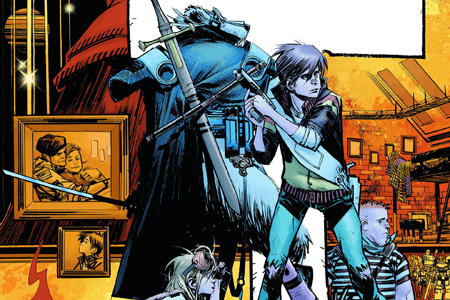
joe the barbarian 3The story deals with the eponymous Joe being bullied and harassed at school, as is the rite of passage for all nerdy heroic protagonists, before we learn he’s an eleven-year-old diabetic living alone with his recently-widowed mother in a house they’re about to be evicted from. While mummy dearest goes off to do whatever mothers do when the plot demands they leave the hero alone, Joe suffers from a bout of blood sugar deprivation so extreme that he hallucinates an intense and expansive fantastic realm of fantasy derived from his toys, his pet rat and the nightmarish dimensions of his dusk-shadowed house. The world his mind creates features a number of pop culture figureheads telling him that he is to slay the enormously powerful King Death and bring freedom to the land of make-believe.

Being a kid-friendly version of Grant Morrison’s usual drug-induced hallucinatory narratives, this carries just enough weird to classify it as properly Morrison-esque without becoming completely incomprehensible, while the toning down of extreme violence and adult elements (ok, there is some decapitation going on but the blood’s all green and gassy, like someone downed a crate of SoulStorm Brew) makes it a story younger readers can get into as well. I can’t remember if there’s swearing, though – my brain thinks there might be, but I’d have to go back and read it again to find out.

That’s not to say I’d forgo a second reading because I didn’t like Joe the Barbarian – quite the opposite, actually – but rather because the story is dense. Morrison packs an awful lot of lore, narrative, meta-narrative, character introduction, characterjoe the barbarian 2 development, character murder and post-modern crossings between reality and fantasy that the end result is a story that’s engrossing and highly entertaining but also leaves you drained by the end of it. Keeping up with the various factions vying for control of Joe as the standard “Apocalyptic Chosen One”, as well as the expansive supporting cast following him around fighting creatures that look like the bastard offspring of the Grim Reaper and a Ringwraith, can get a little overwhelming at times. To the book’s credit almost everyone gets their moment to develop and show off some depth, and I genuinely felt sad at the narrative’s conclusion that we were leaving these interesting, nuanced characters behind. It’s only made tolerable by the rather excellent and succinct ending page that hammers home a definitive and unyielding cessation to the story, hopefully ensuring no ham-handed sequels when the suits at Vertigo declare the need to plumb recognised stories when the money pile dries up.
joe the barbarian 1

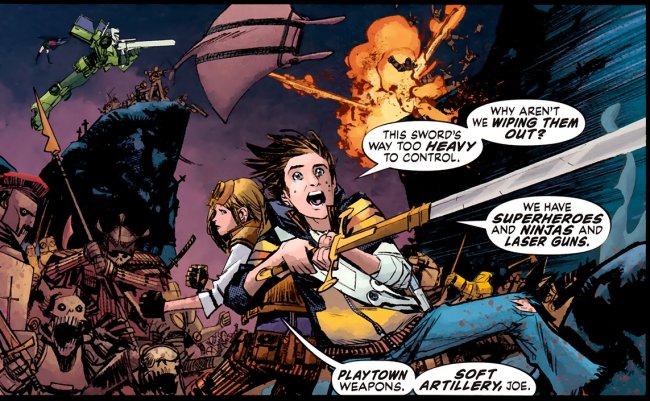
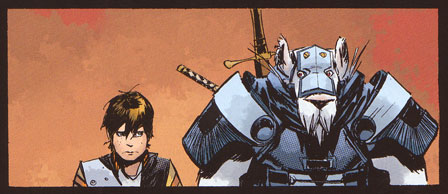
The fantastical craziness of the world Joe envisions is brought marvellously to life by Sean Murphy, who you may remember as the sterling writer/artist DIY combo behind Punk Rock Jesus. Unfortunately for Murphy, the problems he had with the sometimes-confusing artwork there got their beginnings in Joe the Barbarian two years prior; the art is lavish, deep and richly coloured, but at the same time the thin pencils and copious use of line shading mean that elements can be quite visually overlapping at times. Similarities in colour between separate objects can also lead to the occasional smattering together of a bunch of things that all look like one thing together – that is, the visuals can get a bit messy. It’s not enough to entirely detract from my enjoyment of the book, and if you could forgive Punk Rock Jesus‘s similar issues then you can look past it here.

It must be said, despite the above criticism, that Murphy really puts a lot of effort and love into his illustrations. They look like something laboured on intensely, so that everything looks refined and re-drawn even if it gets muddled at times. In this age of computer-aided redesigns and Photoshop being the best friend of certain creatively-deficit artists, Murphy deserves massive props for art that looks organic, lovely and cared for.
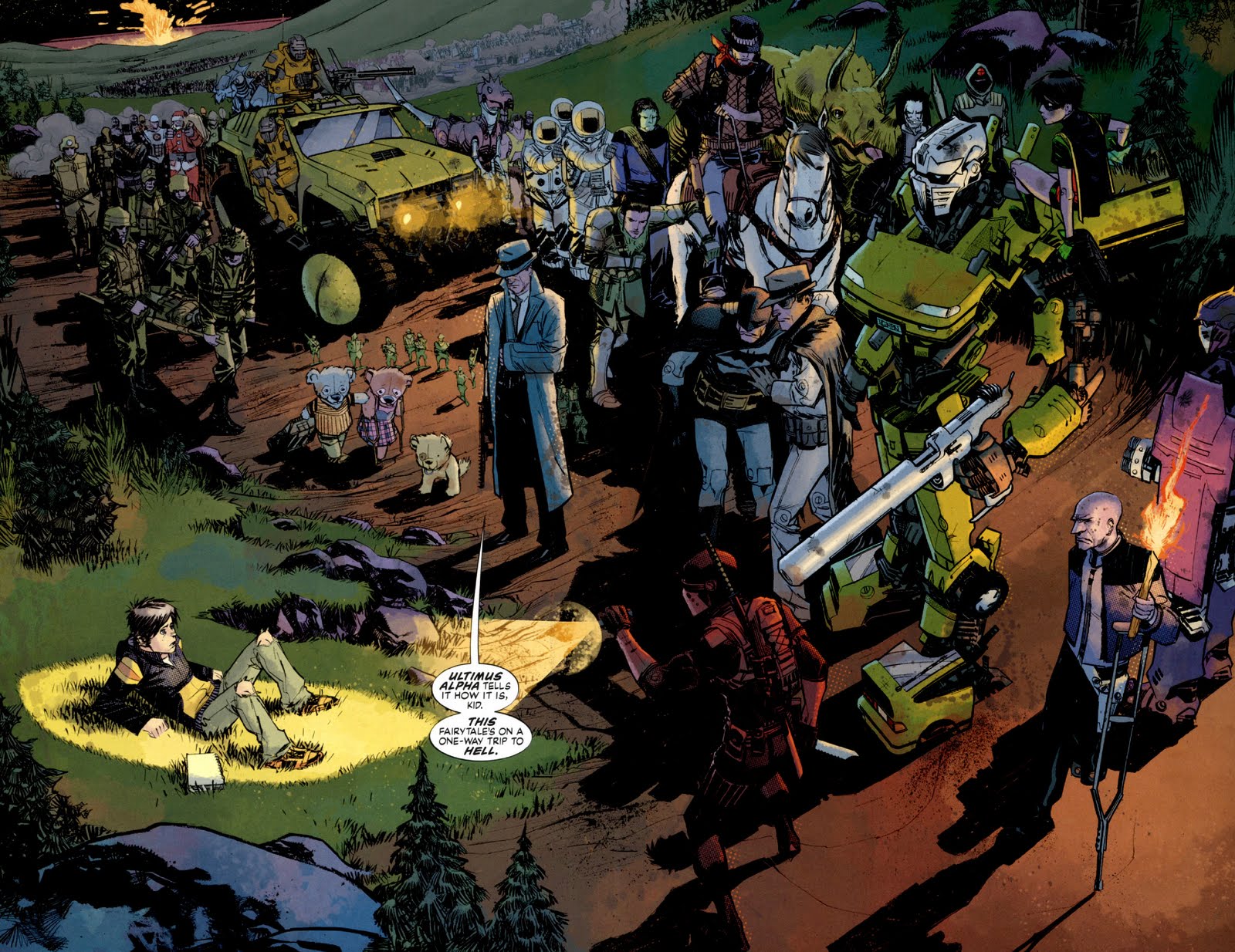
joe the barbarian 4Dialogue is almost entirely Classic Morrison (I think that needs to be an official vernacular now); weird, abstract, missing bits here and there to prevent a full explanation of events to the reader. It’s exactly what I’d come to expect from Morrison as a weird-ass scriptwriter, which would be fine if it was purely aimed at mature readers. Since its goal is presumably also to appeal to some of the young ‘uns too, it might not be as serviceable as intended. It’s kind of hard for me to recommend one way or the other, since if you’re not a fan of scripting that doesn’t give you everything on a silver platter then it may not be for you. Personally I found it enjoyable and, at times, laugh out loud funny – and as I’ve said before, any comic that makes me physically emit a bellyful of joviality gets an almost instant pass on the dialogue box.

It strikes me that Joe the Barbarian is trying to be somewhere between Labyrinth and The Dark Crystal with the merest dash of The Sandman, giving us a slightly more mature fantasy that still has enough to interest the kids. The crossover between the surreal and pop culture elements is great, with appearances from famous faces like Batman and Captain Picard being chuckle-worthy on their own, and while it’s clear Morrison and Murphy are having fun sticking whatever the hell they feel like into a post-modern odyssey through hallucinatory fantasy there’s still a clear and structured character arc that enables Joe and some of his supporting players to evolve as the narrative reaches its endpoint. We’ve got interesting characters, an intriguing plot and art that can support it.

As a middle-ground fantasy for young and old readers, it’s certainly better than anything the Percy Jackson writers could come up with.
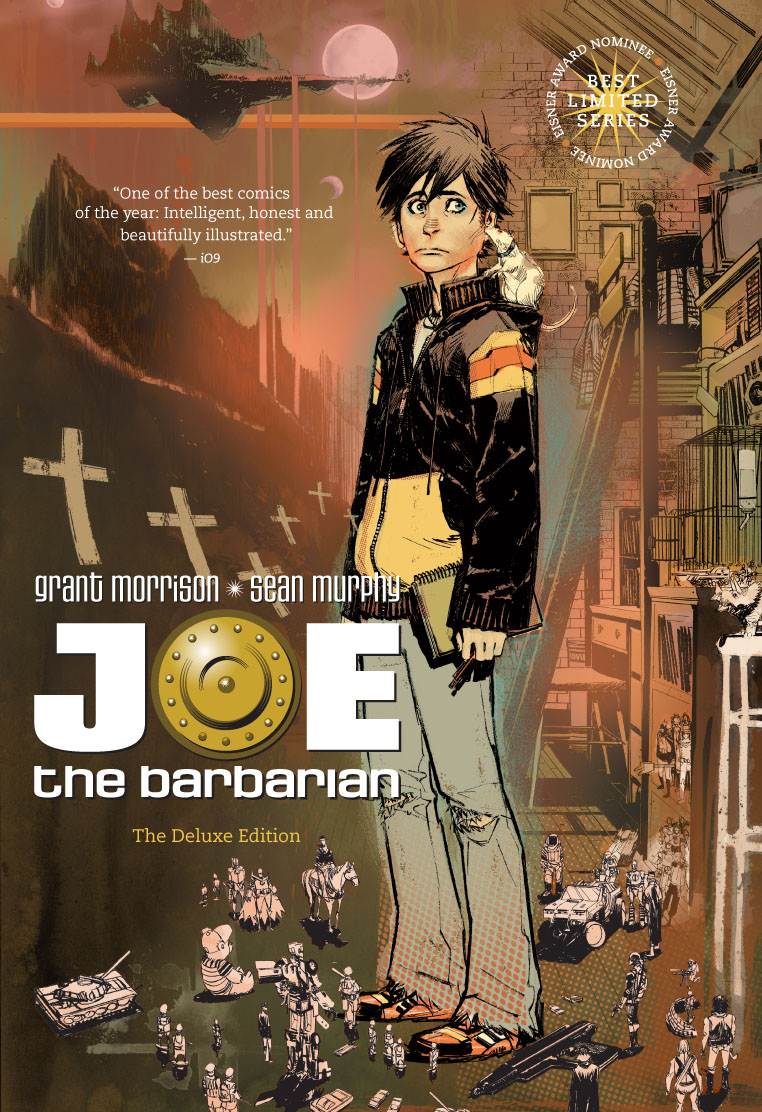
joe the barbarian cover

PUBLISHER: VERTIGO

STORY: 4.5/5

ARTWORK: 4/5

DIALOGUE: 4.5/5

OVERALL: 13/15

BEST QUOTE: “Help me get to the kitchen, and I’ll do my best to kick Death’s ass. How about that?” – Joe
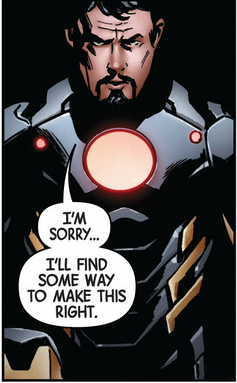
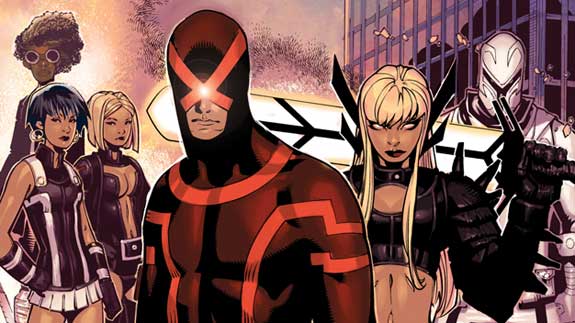
[VS REVIEW] New Avengers: Everything Dies vs. Uncanny X-Men: Revolution

Superheroes as anti-heroes – if it’s done properly, it’s a concept that can brilliantly carry a less-than-esoteric story.

Take something like X-Force; with most of the cast of characters being friendly, cuddly and downright heartwarming mutants like Wolverine (SNIKT bub), Fantomex (a sociopathic cloned hitman) and Warpath (a friendly Native American with a begrudging ability to kill people and a not-so-begrudging love of KA-BARs), it’s established fairly early on that the “heroes” are seemingly acting in our best interests whilst undertaking courses of actions that we’d be more likely to attribute to someone like the baddies of Sin City. They kill, they pillage and the assassinate all in the name of the greater good while little pieces of their hero status flake away like old paint until only the morally ambiguous murderer remains. Done poorly it’s a worn-out trope, but done properly it can elevate a story from “pretty good” to “enthralling”, like the difference between discount chardonnay and a bottle of Moet.

As it happens, two recent releases tackle the idea of the superhero as anti-hero. I was planning on taking them down on separate reviews but on reflection they do overlap quite a bit, and not necessarily in a way that’s displeasing. In one corner, we have the morally deficit band of  all-American asshats that are Jonathan Hickman’s New Avengers, and in the other are the Westchester rejects, the maniacal mutants that make up Brian Bendis’ Uncanny X-Men.

FIGHT!

STORY

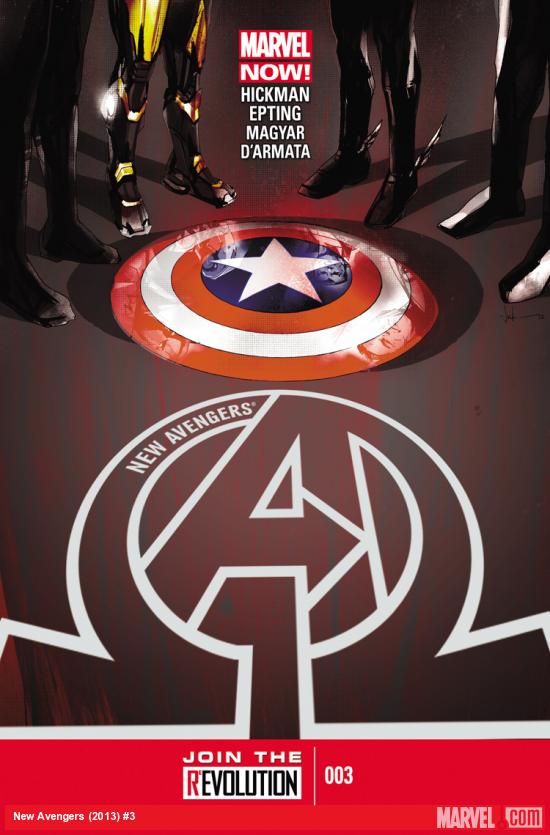
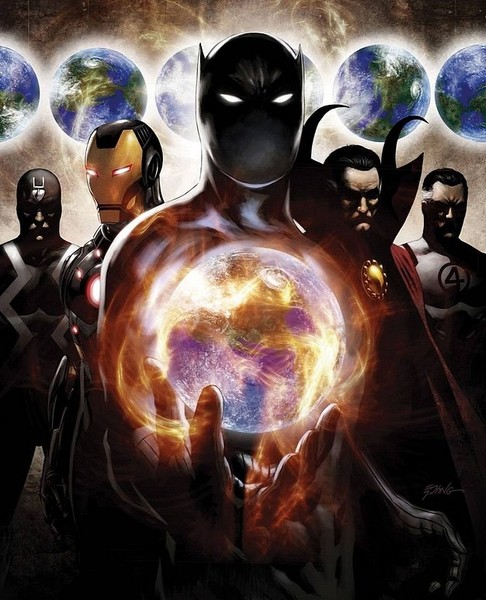
new avengers 3Anyone remember BioShock Infinite? You know how the main characters traipsed across multiple realities as easily as a Grand Theft Auto character might hijack cars on a freeway? That’s pretty much the backbone of New Avengers; a bunch of realities are splurging together and causing all kinds of interdimensional shenanigans. This galvanizes Marvel smartmen Reed Richards and Tony Stark into leading a band of buff brothers across universes in order to save their own, potentially at the cost of several hundred other neighbouring ‘verses who happened to be minding their own business at the time, to prevent some kind of multiversal entropy thing. There’s a rather helpful (pfff) diagram of the whole affair later in the book that helpfully illuminates how truly and utterly bollocksed the Marvel Universe is if they fail, and the whole thing  gets a cherry on top with the team’s need to ally with an evil telepath, con Black Panther into abandoning stewardship of his home and mind-rape Captain America while they’re at it (it makes sense in context…sort of).

Uncanny X-Men goes for a comparatively more grounded feel, with mutant fugitive Cyclopsuncanny 2 getting the hell out of dodge following the events of Avengers vs. X-Men with three of his fellow former compatriots, being Emma Frost, Magneto and Magik. They hit upon the world-beating idea of starting their own academy for gifted youngsters in the wake of Charles Xavier’s death, taking in several outcasts from across the world and training them in the ways of the Force how to use their mutant powers. Unfortunately, since they’re considered villains by every corner of the Marvel U, they have to contend with efforts to stop them made by the “good guy” X-Men led by Wolverine, the seriously pissed off Avengers and even a kidnap attempt by freakin’ Dormammu (the closest thing the Marvel Universe has to Satan).

new avengers 4As much as I love Hickman and his attention to character arcs amongst a backdrop of universe-ending scale, I’ve got to give Uncanny X-Men the story point. The New Avengers are presented as anti-heroes, yes, especially after they wipe Cap’s memory and go against orders not to fiddle with all the multiversal crap going on, but the X-Men are significantly more “villainous” (and even that’s not the right word) yet presented in Revolution as sympathetic and, to a degree, relatable. They’re not shining golden boys and girls, misunderstood by the bigger, meaner Avengers kids in the sandbox, but they’re not the bone-deep criminals they’re represented as in other Marvel books like All-New X-Men and Uncanny Avengers. They’re people who’ve done some bad stuff but are still at least a little bit redeemable at the core, and they genuinely believe that what they’re doing now is going at least some way towards rectifying the mistakes they’ve made. It’s an engrossing, fascinating character study of these guys (particularly Cyclops and Frost) that really shines a light on what makes them tick.

That aside, Uncanny X-Men gets the point because Bendis – who I’ve previously established can be extremely hit or miss when it comes to his comics these days – finally wrote a recent release that didn’t make me want to set fire to it.

ARTWORK

new avengers 2

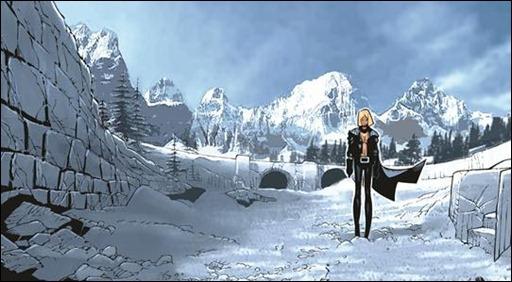
No use beating around the bush – New Avengers snags it. Steve Epting nails the art beautifully, putting me in mind of the good old gritty days where he illustrated Captain America. The darker tone of the book compared to Hickman’s other Avengers title is matched by Epting’s great use of shadows, slightly washed-out skin tones and good but not overwrought use of a shadier palette. I am a little biased when it comes to a book Epting’s written since he’s just that damn good.

uncanny 1

Conversely, I’m also a bit biased when it comes to artists like Uncanny X-Men‘s Chris Bachalo. I didn’t like the art back in his Wolverine and the X-Men days, and I still don’t like it now. It’s a little too odd, striking a balance between cartoonish and abstract in a way similar to Emma Rios of Captain Marvel fame. Granted, it does look a bit better and less visually confusing than it was in WatXM but it’s instead hindered by the constant (and misguided) use of diagonal panels at strange moments in the story. I’m all for trying something different, but there comes a moment when pretentious artiness needs to not put the story flow in the trunk of its car.

DIALOGUE

new avengers 1To say it’s a tough call is an understatement. Do you prefer abstract, almost meta dialogue that strongly evokes weird-ass writers like Grant Morrison, or something more conversational and realistically-oriented in a manner similar to Dark Avengers and early-career Joss Whedon? New Avengers and Uncanny X-Men, respectively, deliver on either front, and it’s hard to pick a clear winner when they both have the ability to make me laugh, suck air through my teeth and lament the inclusion of 21st century teen lexicon (though that’s more a problem Uncanny X-Men suffers).

New Avengers feels like a high stakes, intensely thrilling multiversal end-of-the-worlduncanny 3 story with dialogue to match, thankfully never relying on disaster movie cliches or wording that evokes characters from the Transformers movies dramatically worrying about the impending apocalypse with terrified eyes and overwrought string backing music. Uncanny X-Men is more a return to Bendis’ Dark Avengers days, not only as an anti-hero/villain text but also through conversational dialogue peppered throughout the supernatural superheroics of its protagonists. Both books represent different parts of the anti-hero spectrum, and both work exceedingly well in their respective wheelhouses. Which is why…

WINNER

There isn’t one.

Seriously, go read both of them. They might both match in the theme of anti-heroics and morally questionable protagonists, but as stories in that particular subgenre they stand far enough apart to be entertaining on their own merits while presenting something fresh. New Avengers can have a slightly muddled and techno-babbly story at times, and Uncanny X-Men‘s art suffers through use of an illustrator better suited to a Picasso imitation festival, but on the whole both books are supremely enjoyable. It’s really refreshing to see books coming out of Marvel’s relaunch that give us something a little different, rather than DC’s current strategy of re-releasing all their good, virtuous and noble heroes as nothing other than what they were before the New 52 maligned our favourite Bats and Supermen.

Also, I’d just like to point out that Brian Bendis has earned back all the points he lost after All-New X-Men. Remember how much I despised All-New and lamented Bendis’ fall from grace after his sterling work in Dark Avengers and Daredevil? Well, he’s recouped his losses with Uncanny X-Men. That’s how bloody good this book is.

new avengers cover

PUBLISHER: MARVEL COMICS

STORY: 4/5

ARTWORK: 5/5

DIALOGUE 4/5

OVERALL: 13/15

BEST QUOTE: “Let hope die, you fools. It’s time to embrace oblivion. We are already dead.” – Namor

uncanny cover

PUBLISHER: MARVEL COMICS

STORY: 5/5

ARTWORK: 3/5

DIALOGUE: 5/5

OVERALL: 13/15

BEST QUOTE: “I wish we had a superhero from Australia that wasn’t kangaroo-themed. That seems pretty lazy.” – Eva Bell

Superboy: Extraction

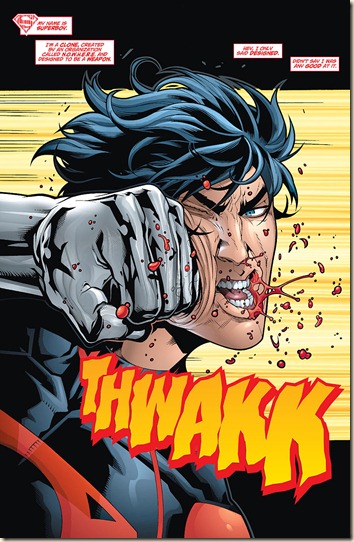
This book blows a number of things out of the water, such as the decent plotting, intriguing characters and engaging artwork of what came before it. It blows away the hopes I was getting that, between its predecessor and that new Teen Titans run, maybe comics aimed at a slightly teen-ier audience were actually taking steps in a direction that made them appeal to anyone over the age of 20. It blows up almost any feelings of sympathy or interest I had in its main character.

In short, it just blows.

superboy 2I had slightly unrealistic expectations that I figured Superboy: Extraction wouldn’t be able to meet. After all, last year’s Incubation was a surprise pleasure that dealt with a story far above average for teen superhero yarns, a character that actually garnered feelings of engagement from the reader and artwork that, while nothing too standout, was nonetheless visually pleasing. I didn’t expect to like it as much as I did, and I was waiting with bated breath – avoiding all the spoilers, which is a rarity for someone with days of Wikipedia-perusal under his belt between then and now – for the follow-up to the book itself and the cliffhanger that I really didn’t see coming.

Thank you so much, Extraction, for pissing all my hopes against the wall and giving me a story only marginally better than unanesthetised brain surgery.

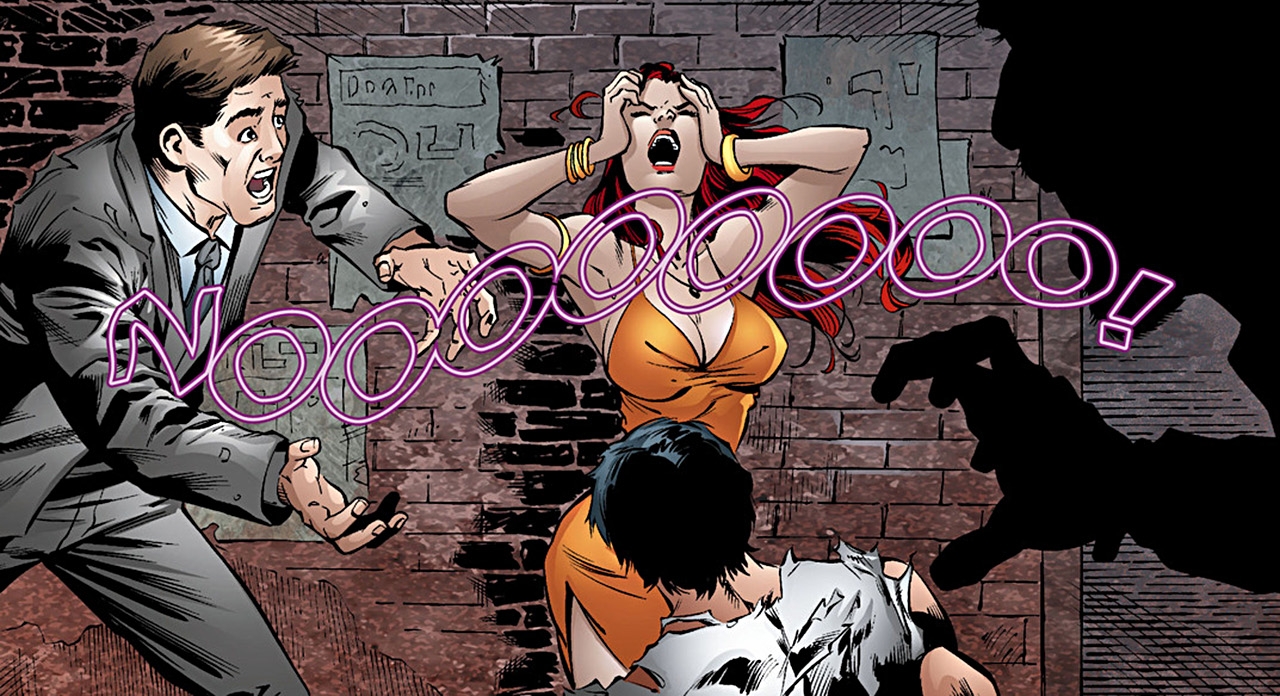
It’s almost impossible for me to summarise Extraction‘s story in a few sentences or less since the plot goes in so many directions it ends up just being an incoherent mess. Roughly, the first half of the story deals with The Culling, a crossover event similar to Batman’s Night of the Owls between Superboy, the Teen Titans and some idiots from the future called The Legion. After this stupendously messy and unintelligible portion, the second half follows Superboy adjusting to life with the Teen Titans (wait, weren’t they, like, massive enemies with each other? How’d that get sorted out?). He does this by hitting on his landlady, beating up a robot that seems to like ripping off the  Borg from Star Trek, and stealing billions of dollars from a bank vault.

Um…what?

I’m not even kidding with any of that. The plot is so disjointed and schizophrenic that nothing is explained, or resolved, or followed up on from any earlier story or plotline. The chunks ripped wholesale from The Culling don’t make sense on their own because they’re missing vast tracts of the rest of the story, which is kind of like trying to watch a season of Game of Thrones but skipping every second episode. What meagre plot elements do make sense are so stupifyingly awful, cliche and a bunch of other mean words that you’d get a more satisfying reading experience checking out the instruction manual for a dishwasher. Seriously, who the hell cares about Superboy possibly getting it on with his landlady? Who gives a feckless lump of duck crap if he and Wonder Girl have so much belligerent sexual tension you’d think they were the lead characters from Castle?

superboy 1

What made Incubation such an effective first volume was that it treated Superboy as an other, a character the audience was distanced from because of his alien nature, yet still relatable with because he experienced that distance and alienation (no pun intended) from his superiors and his peers in a way that made him interesting. I got sad that he was treated like crap by N.O.W.H.E.R.E., and that people like Rose Wilson and Caitlin Fairchild were equal-opportunity asshats to him. I felt remorse that the only way he knew how to express his disheartenment and desire to find a purpose was through intense physical violence and levelling cities.

Now, all those personality problems and deficiencies in his character have been almost completely solved with little to no explanation. He’s buddy-buddy with the Teen Titans, got a good friendship going with Bunker (who still wins the prize for “Most Awkwardly Crowbarred-In Humorous Dialogue of Any Comic Book Character Ever”) and even has his own apartment that he leases for free from a drunk socialite who can’t decide if she’s Paris Hilton or Holly Golightly. There is absolutely zero engagement with the character whatsoever, and all the things that made him interesting (and set him apart from his pre-reboot cookie-cutter-Superman self) are gone or forgotten. More usually both.

superboy 3Connected to a rambling and inconsistent plot is a lot of rambling and inconsistent artwork. As well as R.B. Silva and the team from Incubation we’ve also got Brett Booth from Teen Titans and a few guest artists whose work in this book is pallid at best. The illustrations are all full of the usual bright colour and poppy imagery featured in the volumes preceding them, mixed with some new costumes ripped straight out of the TRON movies. I don’t recall ever seeing the characters enter a computer world or do anything that necessitates the use of Tron Lines on their outfits, but then again it could be part of the big chunks of The Culling that are missing from the book. Presumably those chunks would also explain how the team ends up stranded on a question-mark-shaped island with dinosaurs for company.

Dialogue is AWFULSeriously, the last time I read scripting this teen-y and OC-reminiscent was during The Children’s Crusade, and at least that had Scarlet Witch and her sexy sexiness to distract me from that facepalm-fest of wording. Bunker still talks like every joke he makes is crammed in to be as racially insensitive and awkwardly “hilarious” as possible, almost all of the characters are now reduced to two-dimensional cardboard cutout personalities (most egregiously Wonder Girl, who is only a bottle of red hair dye and calling Superboy “an idiot” away from basically being a grouchier version of Asuka from Neon Genesis Evangelion) and the forced warmth between team members seems like it was pretty realistic in the same way botox gives you a pretty realistic smile.

Don’t read Extraction. It’s rare that I come right out and say something like that, and usually I try to find a redeeming quality or a thin reason to add it to your shelf, but I can’t with this one. It’s just dreck, plain and simple. I can’t even recommend it for kindling or toilet paper, because that would mean you’d still have to spend money on the damn thing – stick with two-ply and random sticks, respectively.

Wait, I think I meant those the other way around.

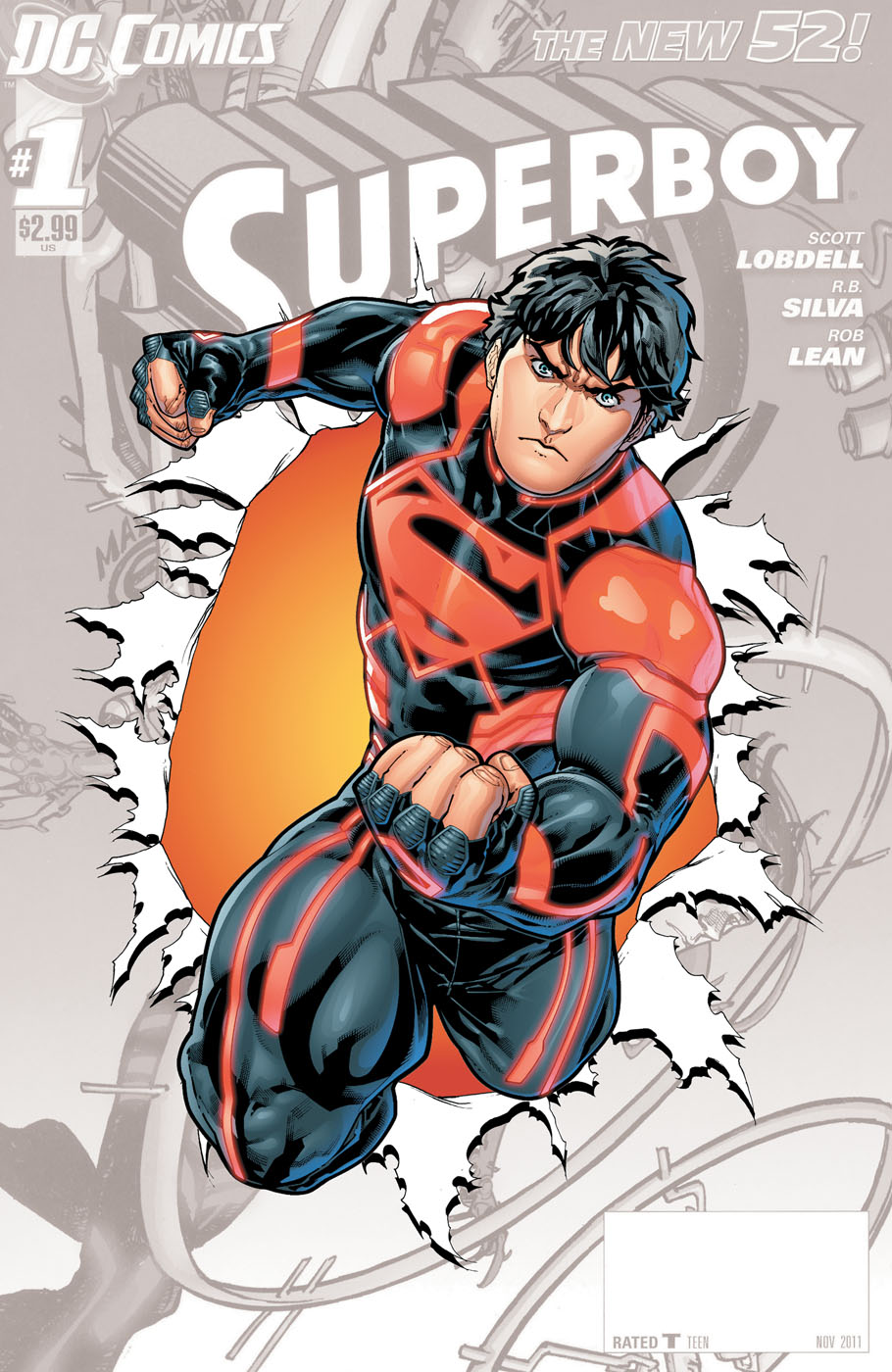
superboy cover

STORY: 1/5

ARTWORK: 2/5

DIALOGUE: 0/5

OVERALL: 3/15

BEST QUOTE: Like Faces of Death before it, this book has no good quote. You want a quote?

“This book is so awful it makes me want to shoot my face off.” – Chris Comerford, the Perturbed Writer.

Severed

There is nothing and nobody in the world that is above criticism. If there were, we wouldn’t have the love we do for something as horrible as The Room or Battlefield Earth.

When viewing the world – or, at least, aspects of it – through the ignorance of the rose-tinted glasses our species tends to have as a permanent fashion staple these days, it’s easy to just assume some things we enjoy or respect will maintain airs of consistent positivity. You’re sure the next episode of The Walking Dead will be as awesome as the rest of the season has been so far. You know James Cameron can’t possibly make a bad film, not with poles like Terminator 2 and True Lies propping up his tent. And hell, if Scott Snyder – the scribe behind one of the best Batman stories of the last decade – decides to write something not related to charcoal-clad guys punching other charcoal-clad guys in minimum lighting, chances are it’ll be friggin’ sweet.

But, alas, The Walking Dead ‘s third season ended poorly, James Cameron directed Avatar, and Scott Snyder has given us Severed.

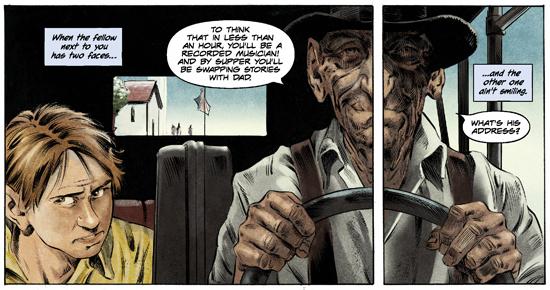
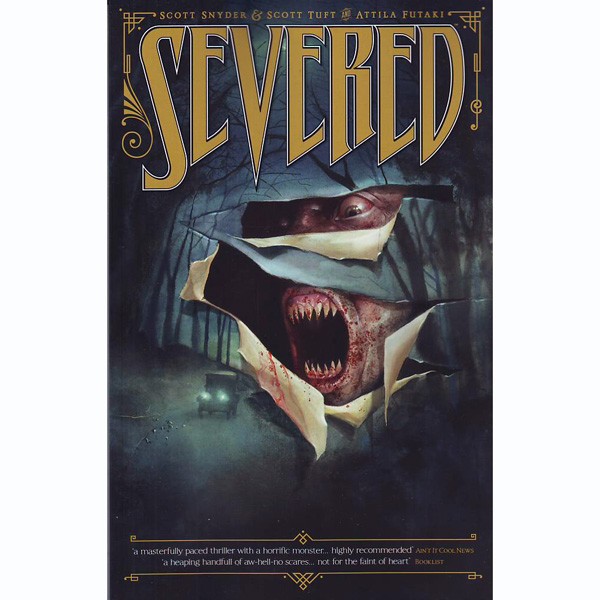
severed 2The first indie Snyder story not done under a DC or Vertigo imprint, Severed is an Image Comics tale centred in the early 1900s on a young virtuosic fiddle player named Jack. Upon learning he’s actually adopted he sets out to find his father elsewhere in America, unaware that an old man with absurdly sharp teeth named Alan Fisher is hunting him and other boys his age in order to gobble them down faster than Cookie Monster with a box of Oreos. With a distinct horror genre slant, the tale explores Jack’s quest for his father as well as an attempt to assert himself in the big bad world as a young adult.

Let me just clarify something – Severed isn’t a bad book per se, but it’s not a great book either. It’s kind of a hit and a miss all at once, combining great ideas with poor execution.

For example, the impetus behind Jack leaving his home in search of his father is a chestnut well-worn, sure, but it still provides an intriguing character arc if done right and not played as a cliche pathway to adulthood. While the arc itself is constructed slightly out of left-field, it’s still executed with a bit of a lame ending. Further on, Jack meets another young boy named Sam who actually turns out to be a girl pulling a bit of a Twelfth Night-esque disguise, and while their friendship starts out in an interesting way it’s later abandoned at the half-way point for reasons that still aren’t clear to me, leading us right back to square one with the “boy finding his father” motivation.

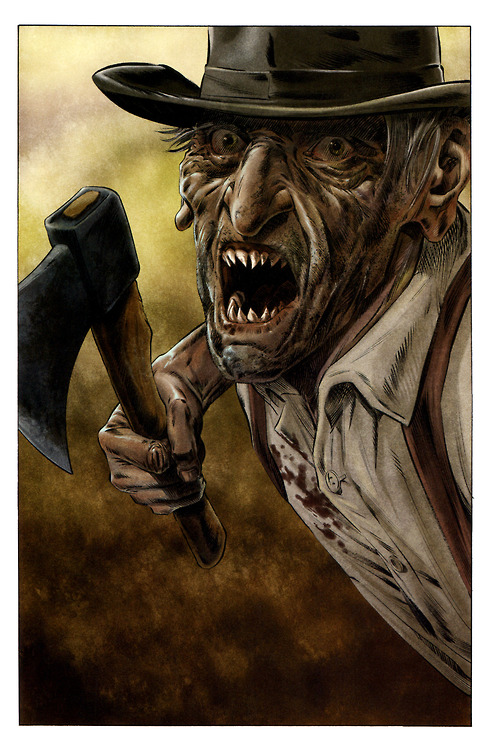
On top of that the villain, Alan, is creepy but only to a point; while he’s got teeth to rival the Osmond family and a strange fetishsevered 3 for devouring enterprising young men, there’s not much else to him but that. Snyder plays up the enigma of what exactly Alan is (a vampire seems like the obvious answer, but he takes the blood consuming thing a bit too far to be Bill Compton) but beyond that he’s just a nutter eating kids with some impressive dental work. His pathos isn’t particularly deep, not that it necessarily needs to be, but I found myself more creeped out by his surroundings than he himself. It’s kind of like if you had your school principal threatening you with detention while you stand in the darkened castle from Amnesia: The Dark Descent, except this time it’s a bit more well lit.

Speaking of, the artwork by Attila Futaki is pretty awesome. It’s got that painted feel that artists like Alex Ross have, and while it starts off being illustrated a little too dark and dank for a story opening it ends up becoming better defined as the narrative progresses. As I said I found the surroundings more haunting than the villain, including a darkened forest with an old subway car and the house within which Jack and Alan have their final showdown that has just the right amount of macabre lighting and hints of visual emphasis to give it a harrowed, visceral appearance. The only real problem with Futaki is that sometimes he illustrates female characters like Sam with distinctly man-ish properties, including a scene where I swear Sam has an Adam’s apple. I get that she was supposed to be disguised as a dude, but I’m pretty sure she shouldn’t resemble that after the reader knows otherwise.

severed 1Dialogue is ok. Not Snyder’s usual level of excellence and snappy ripostes, but I guess that’s hampered a bit by the time period the story takes place in; you can’t exactly have the same biting wit as today with 1920s lingo. Jack can feel a little two-dimensional at times, even for a horror story protagonist, and some of Alan’s lines cross the border from horror into implicit pedophilia which, while obviously part of his character, can be a little unnerving when read in a dry, throaty old man’s voice. That’s not necessarily a mark against it, but it does make me want to scrub myself and read something straightforward and uplifting like Game of Thrones afterwards.

At the end of the day, Severed is a pleasant enough distraction that doesn’t live up to the name Scott Snyder’s made for himself. Granted, this time around he worked with collaborator Scott Tuft (I wonder if, to spare confusion, they were referred to by surnames during the planning of this story. “What do you think, Tuft?”) so he can possibly be forgiven for some of his missteps here and have the blame attributed to his writing partner (“It’s all your fault, Tuft!”), but even so it leaves us with a story that is a decent read but ultimately kind of forgettable. It could possibly be enlivened somewhat if you imagine the villainous Alan giving all his lines in the voice of Eustace from Courage the Cowardly Dog, which could have the added bonus of making that show even more awkward to re-watch later.

   severed cover

PUBLISHER: IMAGE COMICS

STORY: 3/5

ARTWORK: 4/5

DIALOGUE: 3/5

OVERALL: 10/15

BEST QUOTE: “The road ain’t all fun and games…you gotta be tough. Anyone tries to bamboozle me…I bite their leg off.” – Alan Fisher

Comic-Con Roundup, 2013

(apologies if anything in this post seems rushed, incomplete or nonsensical – I wrote it in a hurry to stay current)

Games have E3. Movies have the Oscars. Books have…nothing.

Comic books have Comic-Con.

As the single biggest international nerd event of the year, San Diego Comic-Con is the place for all the big announcements, news and interviews with creators of various comic book intellectual properties that somehow escaped the media traps of C2E2 and the Emerald City Con. It’s normally the go-to event for big, universe-shaking announcements for all the major players of comics, movies, TV shows and internet-related shenanigans.

While I didn’t get the privilege of attending this year, I did keep my ear to the ground with all the big announcements and news items hitting the blogosphere (Christ I hate that term). So, presented herein are some snippets of big-ticket items that hit the San Diego Comic-Con for 2013. Keep in mind I don’t have the line space or patience to examine every single bit of pop culture goodness to come out of the Con, but if you stick around till the end of this post we’ll have a look at the two big news items we got within the last 48 hours (you know the ones).

sdcc - agents of shield

Let’s kick things off with a look at the “Agents of SHIELD” stuff. As well as an exclusive screening of the ABC pilot we were also treated to the news that Cobie Smulders, soon-to-be-alum of How I Met Your Mother and the woman behind SHIELD’s tough-ass Maria Hill, is making some kind of guest appearance in the series. While she can’t be a regular right now, am I the only one thinking she’ll hop onto this gig once HIMYM wraps up next year? Am I also the only one imagining the insane amount of snark we could get from a Hill/Coulson team-up every other week? A man can only dream.

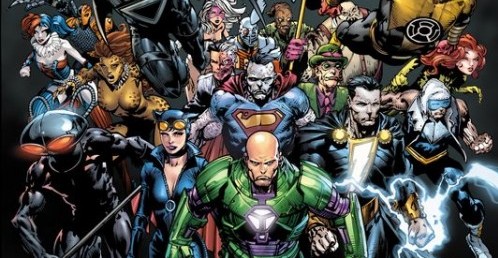
Speaking of dreams, clearly writer Robert Venditti is dreaming of dollar signs if he expects his new Green Lantern fans to swallow a massive crossover event so soon on the heels of Geoff Johns’ climactic Wrath of the First Lantern finale, coz that’s the only reason I can think of for DC allowing such a misguided attempt at an epic story so soon after Venditti’s run has begun. I know it’ll take a while before we get over the loss of Johns as primary GL writer, but come on, he hasn’t even been in the ground that long! Especially with big events like Trinity War and Forever Evil hitting the DC books come September, maybe it’s time to ease off on the crossovers for a little bit.

sdcc - forever evil

As well as giving us more teases regarding those two events, DC’s comics panel was one of fairly predictable movements. We got glimpses at the ill-advised Superman/Wonder Woman series that is guaranteed to have shippers squealing with delight on every page, as well as more tie-in rubbish for the Arrow TV series and a comment from current Batgirl writer Gail Simone that during the story she’s currently writing (titled Batgirl: Wanted, which sounds almost like a direct rip-off of the Bruce Wayne: Murderer? storyline from the early 2000s) we’ll find out how it is that Barbara Gordon regained the use of her legs in this continuity. Speaking as someone who loathed, despised and detested Simone’s first volume of Batgirl, is there anyone who really gives a crap right now? I thought we established she got some magic mystic hoodoo thing in Africa that restored her legs, and even if we hadn’t I’m still so riled at the fact she’s no longer in a wheelchair that I just don’t care about her anymore. Call me when Simone announces the return of Stephanie Brown, then I’ll be interested.

Interest was also low for me with most of Marvel’s comic-related announcements this year. Among other things we were teased with a new ongoing called Amazing X-Men (is that a crossover between the X-Men and Spider-Man now?) and the return of former teammate Nightcrawler from the abyss of Comicbookdeathlandia. I’ve spoken out about comic death multiple times before, but this move cheapens the Elf’s death more than Fear Itself cheapened Thor’s – Nightcrawler went out in a blaze of glory during 2010’s X-Men: Second Coming, and it was a genuinely moving and tragic death that seemed to actually stick for a while (and yes, I know they had Nightcrawler on during Rick Remender’s Uncanny X-Force but shut up, he was from another universe). Brian Bendis deciding once again to molest continuity with his current X-shenanigans leaves me unenthused at best and willing to mount a cross-country Marvel-HQ-bombing venture at worst.

On top of that, Marvel also decided to completely piss off fans of their Ultimate Universe continuity by announcing Cataclysm: The Ultimates Last Stand. The miniseries, penned once again by that idiot Bendis, comes on the heels of the ridiculous ending to Age of Ultron where Galactus, the original giant purple-people-eater, encroaches on the Ultimate Universe with the intent to eat the bloody thingThat’s right ladies and gentlemen, Marvel are having one of their best-selling and most-beloved continuities EATEN by a giant guy in a purple Flash Gordon outfit.

picard facepalm

It seems the major cool stuff is going on over at Image Comics, renowned indie publishers and current owners of sterling writer Ed Brubaker. In addition to more on his new series Velvet and a quick look at the new arc of Fatale, Brubaker commented that he writers stories “for readers,” and that working for Image is less about making money and more about providing readers with engaging material – “It’s not about keeping others’ IPs alive,” he says. Bravo, Ed. You’ve not only secured the “Smartest Thing Said at Comic-Con” award for 2013, you’ve also ensured I’ll keep coming back to your works further down the line because you actually give a damn about the reader, and not the reader’s wallet.

sdcc - black science

Image then proceeded to make fanboys everywhere scream themselves inside out with further announcements regarding the two Rick Remender-penned series coming later this year, being Black Science and Deadly Class, which both look freakin’ sweet. We also got some bits and pieces about J. Michael Straczynski’s new Ten Grand and his work on Book of Lost Souls with Colleen Doran, one of the visionary artists behind Neil Gaiman’s The Sandmanwhich both sound like they could be pretty awesome.

Also, before anyone asks me, no, I will not be making any comments regarding anything to do with The Sandman: Overture. I’m staying the hell away from any news to do with it beyond the initial announcement. I want to read the single issues without being tainted by the sting of any news items related to it, positive or negative. I have no doubt, with Gaiman and JH Williams III (the writer/artist behind the current epic run on Batwomanon it, we’ll be given a superior book in time.

sdcc - game of thrones

Over in TV-Land we got a surprise appearance by Khal Drogo himself as well as a nice little reel from the Game of Thrones panel regarding the numerous character deaths they’ve suffered over the last three seasons. I found myself sobbing by the end – goddammit, I’ll always miss you Baratheon Soldier #680, you were my favourite. We also got panels for shows like ArrowBreaking Bad and Once Upon a Time, which also promised awesomeness, more awesomeness and more of the same bland crap respectively.

sdcc - saga

Finally, before we get into the two meaty kebabs at the end of this Con rundown, we had the presentation of the 2013 Eisner Awards. Essentially the comic book equivalent of the Oscars and a major feather in anyone’s cap who earns one, the awards this year were dominated by Brian K. Vaughan and the team behind Saga (like it was a surprise). It was very much a night for indie winners, with Marvel only scoring a scant three awards and DC getting only one, and the only reason the former won those three is because the successful series’ in question – being Hawkeye and Daredevil – would be classified as indie series’ themselves if their respective protagonists didn’t wear superhero spandex. Congratulations to all who won, and let’s hope the Big Two are taking notes to try and improve their IPs for when the awards season comes next year. If all else fails, we’ll hold a special awards ceremony for DC akin to the Golden Raspberries – we’ll call it the Dull Crap Comics Awards.

And now we get to it – the two biggest announcements made during SDCC 2013. As well as the expected stuff relating to the upcoming Thor: The Dark WorldCaptain America: The Winter Soldier and Guardians of the Galaxy films (well, expected apart from a freshly-shaven Karen Gillan) it was announced that Joss Whedon’s next superhero entry into Marvel’s film canon will be titled Avengers: Age of Ultron (according to Whedon, the film will be unrelated to the Bendis-written book of the same name released later this year).

avengers age of ultron

This mind-boggling tidbit came mere hours after DC and Warner Bros broke ground on their next film, namely a team-up of Batman and Superman that acts as a sequel to Man of Steel, bolstered by hints that the two superheroes’ relationship may be adversarial and something akin to the one between Bats and Supes in The Dark Knight Returns.

superman batman

As if 2015 wasn’t already packed as it is with new entries from Star Wars, James Bond, Pirates of the Caribbean and possibly Star Trek, as well as the conclusions of The Hobbit and The Hunger Games, we’ve now got a mega-super-ultra Avengers sequel featuring probably the deadliest villain ever created by Marvel (yeah, that’s right, Ultron’s way more lethal than a pussy like Thanos) and a team-up between the two septuagenarian superheroes who literally created the subgenre together on the big screen – with the likelihood that both films will be hitting cinemas in the same month. I will put money down right now and say that at least half the movie-going population of the Western world will have their brains exploded by awesomeness by the time all of this stuff hits their minds.

There are, of course, plenty of reasons to be hesitant about embracing the two upcoming filmic juggernauts. Will Joss Whedon be able to catch lightning in a bottle twice, and make something either as good as or superior to his first groundbreaking effort? Can Zack Snyder give us a film that rises above the shallow characterisations and overblown action of Man of Steel, whilst doing justice to everyone’s favourite Dark Knight? It is entirely possible both movies will suck huge amounts of grimy farts, leaving only perplexed cinema patrons and a ton of smelly-egg-win in their wake, or they could both raise the bar for superhero films in a way that can only be surpassed by a team-up between both the Avengers and the Justice League (at which point I’m pretty sure the universe would spontaneously implode).

At the end of the day, I’m optimistic if only because most of the comic-related announcements were crap. It gives me an idea – why can’t we have people like Whedon and Snyder running the comics and the films? Could we maybe get DC and Marvel to swerve in a slightly more auteur direction with their series’, and have something that is, like Ed Brubaker’s work, written for the readers rather than the desire for more greenback?

No, that’s too optimistic. That’d be like hoping the Republican party might decide to pack up shop and go live with their autocrat buddies in the Middle East. Too much of a good thing.

Claremont and Miller’s “Wolverine”

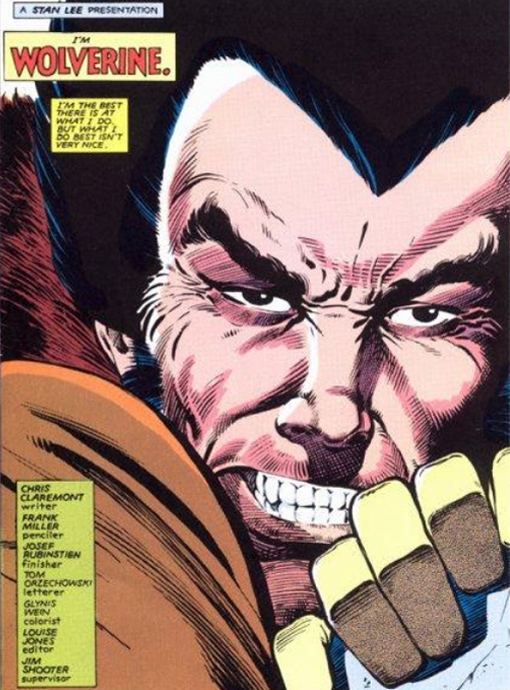
He’s the best he is at what he does. But what he does best isn’t very nice.

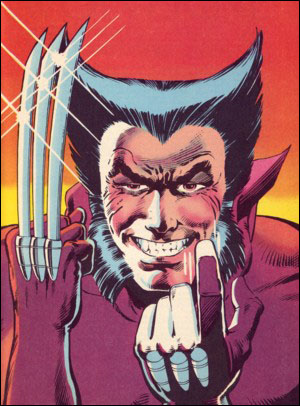
wolverine 3That’s how we’re introduced to probably the definitive entry on everyone’s favourite dude-slicing, beer-swilling Canadian. Ever since he rose to higher popularity by having Hugh Jackman portray him on the big screen, Wolverine’s been the X-Man most people easily recognise and love (or hate) to death. Before his popularity really took off he was given a miniseries back in 1982, penned by legendary X-Men scribe Chris Claremont (who you may know as the man who first killed Jean Grey in 1980’s The Dark Phoenix Saga) and drawn by equally-legendary writer/artist Frank Miller (who you’d know from Sin City, The Dark Knight Returns, 300 and a bunch of other stuff…but not All-Star Batman and Robin. He didn’t write that, it was his similarly-named doppelganger from Earth-2).

With the impending release of The Wolverine, the latest entry in Fox’s extensive X-Men film canon, I thought it’d be worth going back to the beginning of everyone’s favourite animalistic mutant killing machine. Well, almost the beginning. Wolvie first broke onto the comics scene in a 1974 issue of The Incredible Hulk, but this is the series that started his meteoric rise to (some would say ‘undeserved’) unending popularity.

It’s a good thing the story wasn’t branded as an X-miniseries like X-Men: Wolverine, wolverine 2since the yellow spandex brigade only show up fleetingly at the end. The narrative follows Logan moping around Japan looking for his long-lost love Mariko, a two-dimensional nihongo lady who’s now married to a scummy Tokyo businessman who may or may not be involved in the criminal underworld (spoiler alert: he totally is, especially with glasses like that). Upon realising he’ll never be able to just kill the husband and take Mariko for himself as any sensible sociopath would do, Logan equivocates by chilling with a bloodlust-filled assassins named Yukio and tries to avoid the attentions of Tokyo’s criminal element by getting drunk and picking fights with sumo wrestlers. Before long, though, Wolverine must decide if he wants to squander his life on such base, animal pleasures or if he wants to be a MAN

 There’s quite a bit of criticism that can be levelled at Wolverine by today’s standards, like the fact that the walls of text (both introspective and dialogic), which are Claremont’s signature writing device, can be off-putting, the art is simplistic and the actual plot is a bit meander-y. The thing is that you’ve got to analyse Wolverine through an 80’s lens, taking yourself back to the days of pastel shirts and flairs and being of the mindset that a story with this level of script density and character development is actually groundbreaking rather than de rigeur. If you read the story as a fan of the old days, Wolverine stands head-and-shoulders above much of the published material at the time.

For starters, the depth with which Wolverine is fleshed out as a human being rather than “SNIKT BUB” is, while being a bit alienating through use of the aforementioned walls of text, quite impressive. Rather than being a one-sided killer with a rabid thirst for beer Logan is instead presented as a lost, sometimes tragic character doing his damnedest to fight the demons inside him that run the animal half of his brain, and his love for Mariko (despite her cardboard-cutout characterisation) seems deeper than one would think at first read. He really asks himself, and by proxy the reader, whether it’s possible to overcome animal instincts and become a MAN, or if one is truly doomed to living with the beast at the core of their self.

wolverine 1Concurrently, effort is made to flesh the villains out a little too. Ok, it was the 1980s so you can’t expect a lot of depth from characters that evoke a mashup of Ernst Stavro Blofeld and the main baddie from the Mortal Kombat movie, but at least Claremont tries to give them a little bit of motivation beyond “I want to control Japan for all of teh monies!” Big bad Lord Shingen seems to be driven by something familial as well as financial, and the morally-questionable Yukio seems torn between following her orders and caving in to her allegedly genuine love for Logan which creates an interesting dichotomy for both. The only villain who fails spectacularly is Mariko’s businessman husband who could only be more cartoonishly evil if he’d been drawn by the illustrators behind Pinky and the Brain.

Speaking of, the art is at once engaging and repelling. Frank Miller does a great job with a minimalist pallet and evocative angles (especially in books like Sin City, whose pallet is so minimalist it only consists of three colours) but here the artwork swings between overly-simple as to be boring, and finely tuned with specific and deft use of striking colour where appropriate. To better explain: a plainly laid out scene depicting Wolverine kicking the ass of a sumo-wannabe, with limited colour and monochrome background, then follows onto a scene depicting the neon cityscape of Japan mixed with the dank blackness of the backstreets Logan and Yukio frequent, where the selective use of pastel colour – meant to evoke Japan’s neon lights – really pops. The book seems to skip between 50% boredom and 50% kickass where the illustration is concerned, even if at times Wolverine looks too much like Lion-O from Thundercats and has the kind of giant, manly Adam’s apple that’d make Morgan Freeman weep with jealousy.

wolverine 4

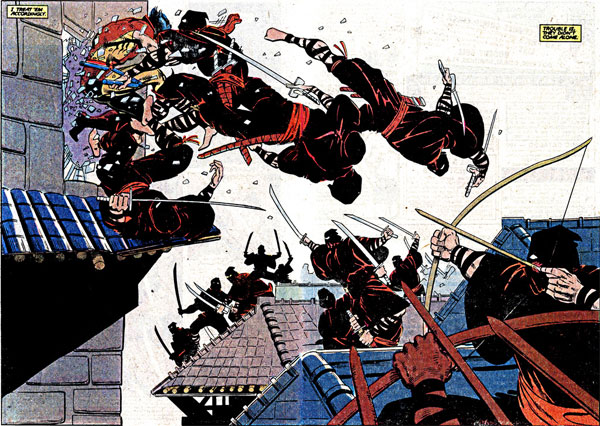
Finally, there is one element of Wolverine that totally stands up regardless of which decade lens you’re reading it with – the fight scenes. Each and every one of them is sublimely illustrated and executed, and the multiple panels showing kick and punch and counter and sword swing really give the impression that we’re looking at the kickass storyboard of a movie battle rather than a comic book. The first and last fights between Logan and Shingen stand out in particular as sublime to look at and genuinely gut-wrenching to experience. There’s no flagrant use of onomatopoeia or absurd character grunting sounds like “Ugh!” or “Yah!”, just blows and weeapon slashes and counterattacks that look like two real people having a bust-up. I’m surprised at the comparative lack of blood given how many limbs Wolverine severs, but I guess they had to find some way to make it at least a little accessible to the under-15 audience.

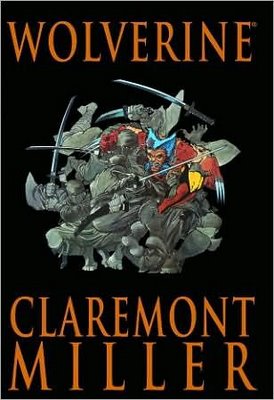
While it’s by no means a perfect story, Chris Claremont and Frank Miller’s Wolverine is still a standout classic with an intelligence belied by its subject matter. While it’s true that a lot of Wolvie-centric stories these days are all about the “SNIKT BUB” and copious amounts of cheap Canadian beer, it’s nice to know there are still older works that better portray the dude as something other than a one-lining grouchy tough guy. There are times it’s great to read books where he’s just a baddie-slashing meme machine, and others where it’s fun to read about him struggling to be a MAN.

wolverine cover

PUBLISHER: MARVEL COMICS

BEST QUOTE: “The clown on my back’s named Takahashi. He’s a sumotori, a sumo wrestler. He could’a been a champion, but he cheats. Blacklisted from the professional ring, he earns his living in these illegal barroom bashos. In this arena, he’s undefeated. When I challenged him, he laughed. [Wolverine lifts the sumo over his head effortlessly] Sucker ain’t laughin’ anymore.” – Wolverine

Batman – Detective Comics: Scare Tactics

About a year ago, I reviewed probably the worst Batman book – nay, the worst DC book – to ever blemish my bookshelf. Worse than Cry for Justice, worse than the new Batgirl, and worse than the abortionate mess that is Countdown to Final Crisis. It was a terribly written, poorly plotted and sub-par illustrated piece of feckless garbage that did nothing but earn my ire for almost every review I did after it.

Yes, it’s Faces of Death. Anyone who’s been reading me for long enough knows that I hate, loathe, despise and detest this feculent atrocity that can only barely be termed as a graphic novel. It won the worst read of 2012 award from me last year for being truly abhorrent, and you’d think that the titanic level of vitriol I’ve levelled at it would mean I’d be hesitant to check out any kind of sequel it would spawn. If it were any other book you’d be entirely right, however there’s a slight problem with that supposition here.

You see, this guy called John Layman (responsible for the hilariously funny and exceptionally witty Chew) has come onboard the Detective Comics boat after the timely departure of Tony Daniel, one of my favourite authorial targets and the man responsible for the aforementioned crap-riddled mess. Layman’s upcoming arc is being touted as Volume 3 of Detective Comics, and if there’s one thing I hate it’s missing parts of a series on my shelf and only having volumes 1, 4, 5 and 23. So if, for the sake of completeness, I’m forced to have Faces of Death 2: Joker Boogaloo on my shelf, I might as well read the bloody thing.

Mercifully, the story gains points right off the bat by abandoning the terminably stupid plotline from the last book regarding Bruce Wayne and his hollow brunette love interest (who was so memorable that I completely forgot her name). Rather than being a semi-coherent journey into pointlessness like its predecessor, Scare Tactics has more of an anthology feel to it with several short stories that are largely unconnected. It’s also got a chapter from the recent crossover Night of the Owls, which makes little sense out of the context of the larger event and is probably just included for the sake of completeness.

scare tactics 1

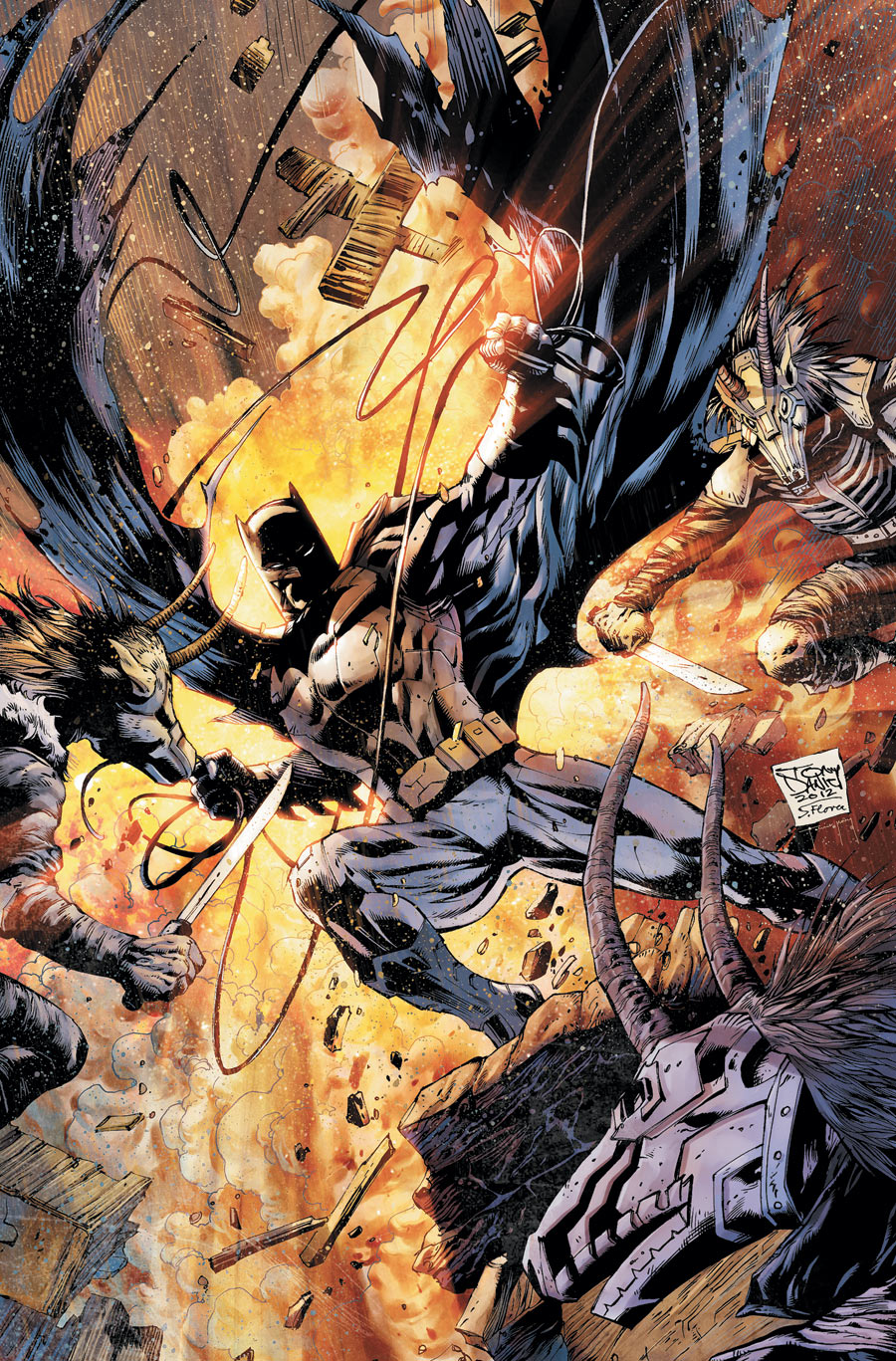
As for the stories themselves, they’re middling. While we’ve gotten past such stupidity as Bruce’s aforementioned 2D (or should I say Double D?) girlfriend, we’re still dealing with a characterisation of the Batman that borders way too close to the macho, self-aggrandising weightlifter that he was in the last book. We’re still treated to plenty of internal dialogue that sounds like it was written by an All-Starera Frank Miller, with Bats making copious reference to how strong and scary he is while mimicking an acne-riddled teen playing the heavy in a DnD game. There’s a rather misguided attempt to have the testosterone-poisoned Batman in this book engage in somewhat deeper narratives than before, including an quite weird storyline involving a sympathetic scientist, time travel, a rip-off of the Large Hadron Collider and a dude who calls himself Mr Toxic, creating a juxtaposition between cerebral storytelling and old-school 1960s schlock that doesn’t gel well together. There’s also a really strange plot involving Black Mask being psychotic and possibly possessed by something that may have been carried over from Faces of Death (I’d have to go back and read it again to be sure, which would be tantamount to undergoing the kind of finger-flensing that Theon Greyjoy partakes of) which ends on a direct lead-in to the next big Snyder-Batman crossover event, Death of the Family. All in all, kinda forgettable stuff in a book that is clearly not shooting for the stars.


scare tactics 3

That is, until you get to the back section of the book. Once we’re done with all the Miller-inspired Bat-child violence we’re treatedto two particularly lovely surprises. First, an early days origin tie-in for Bruce Wayne, courtesy of writer Gregg Hurwitz, that deals with his adventures in Tibet (I think) regarding a family who teach him a fighting style while he fawns after a cute local girl. Second, there’s a Two-Face tale about betrayal that is quite possibly the best written work Tony Daniel’s ever done – it’s almost enough to make me forget about the horribleness in Volume 1. Almost. While both stories aren’t exceptionally revolutionary or classic, they’re a welcome relief from the faux macho-ness of the rest of the book. I’d almost go so far as to say they’re worth the price of the book alone – provided you buy the paperback, of course. That’ll give you $16 that would’ve gone towards the hardcover that could be spent on something more worthwhile, like nail clippers or a subscription to Cosmopolitan.

Artwork is ok. Not good, not bad, but ok. There’s not a whole lot I can say about it without repeating what was said in my Faces of Death review, except that some of the visuals in fight scenes can get a bit confusing. Other than that, it’s serviceable.

scare tactics 2

Dialogue is still a problem. While the Bruce origin and Two-Face stories are fairly well-written, the bulk of the rest of the book remains mired in the same issues Daniel had when writing Faces of Death. Batman still sounds so far up his own ass he’s in danger of choking on his lungs, and the inner monologues give him a distinctly juvenile personality. There’s also an attempt to tug at our heartstrings with the plot regardingthe sympathetic scientist and his time travel shenanigans that comes and goes far too quickly to be substantial. Why should I care that the scientist dude is actually a supervillain in the future who may be a clone of himself? How is that going to inspire any emotion in me other than boredom at the uninspired garbage I’m reading?

The short version: Is Scare Tactics a good book? Not really. Is it better than Faces of Death? Markedly so. It’s still like saying you’d prefer to die by decapitation rather than immolation – it’s quicker and less painful, but you’re still dying anyway – but at least it’s a few steps in the right direction. As Tony Daniel’s swan song for the title it’s passable, and is at least mediocre enough to not make me consider using the book as kindling. If I’m sad about anything it’s that his removal means I can’t take shots at him for the series anymore (not that that wasn’t an old gag of mine to begin with) but at least we’ll always have the memories. Awful, ear-bleedingly bad memories.

BM-DETECTIVE-VOL2

PUBLISHER: DC COMICS

STORY: 2.5/5

ARTWORK: 2.5/5

DIALOGUE: 2/5

OVERALL: 7/15

BEST QUOTE: “[while beating up a Batman impostor] You owe me some answers…after you wake up, of course.” – Batman

MIND MGMT: The Manager

Everyone remember LOST? What a great show that was. Coherent narrative, simple and relatable characters, and a supremely satisfying and well-explained ending. I loved LOST, and I loved the fact that it didn’t push envelopes or challenge its audience in any way.

In a similar vein, I’m really liking MIND MGMT. It’s got a similar streamlined structure with characters that are instant classics and a narrative that, while at times a bit predictable, is absorbing and safe while providing a lot of comfortable familiarity.

If only.

I’m the first one to admit that I generally prefer complex, overly-complicated stories when compared to bog-standard, audience appeasement pieces with limited characters and a plot that could be completely outlined on a piece of toilet paper. I can get into schlock-fests like The Expendables and Armageddon every so often, but if my mind-cogs aren’t stimulated by something with at least six analytical reference books’ worth of subtext then I feel like it’s a wasted effort on my part. If there’s one thing MIND MGMT provides in spades, it’s stimulation – for better or worse.

In a present-day setting where there are as many psychically-gifted individuals as there are abortion-hating Republicans, a young writer living a Bohemian lifestyle abroad ends up discovering the existence of MIND MGMT, an organisation dedicated to “recruiting” (read: kidnapping) those with extrasensory talents and putting them on the government payroll. This shady conglomerate of ESP’ers are used as hitmen, data entry operators and creative visual artists (no, seriously) by the United States, for the main purpose of…something nebulous. Our young writer protagonist is recruited by a guy who knows here from…somewhere, and wants her to help him bring down MIND MGMT because…he really wants to bring them down. Oh, and there are two Croup and Vandermar-esque psychic hitmen after them both because…uh, they really want to kill them.

While I’m damn sure I’m going to recommend MIND MGMT, it needs to come with an overweight asterisk and a reader’s guideline attached: do not read this if you’re expecting easy answers, or any answers at all for that matter. There’s plenty that is followed up on (such as some of the nebulous actions of the agency, which begin to paint a literal and figurative picture of a government conspiracy that’s waaaaaay over on the amoral side of the scales) but there’s a whole lot that isn’t, with the narrative barrelling along without pausing for resolution and taking audience understanding as read. Granted, some of that can be forgiven because this is Volume 1 of a multi-part story, but there’s a lot that can’t. The true nature behind Meru, the writer protagonist, and the dude helping her is kinda explained but not entirely, and the motivations of the two hitmen after them are also summarily left mostly to reader imagination to fill in the blanks. While that’s not necessarily a bad thing for a story, merely raising the enigmatic elements and making me wait impatiently for the next volume to give me more half-answers, it’s very much a love-it-or-hate-it kind of deal.

Similarly attached to the polarizing story is the artwork, hand-drawn by writer Matt Kindt. Remember a few weeks ago in my Thor review when I mentioned loving artists who illustrate rather than straight-out CGI their comics? Well, there are times when this kind of artistic freedom can result in visuals that get a little too into themselves. For example, the pages themselves are done in a kind of crayon-cum-Picasso style that at times more resembles a primary schoolkid’s attempt at art than any actual illustration. On top of that, there’s a distinct lack of big visual codifiers for most of the characters to be distinguished against each other – part of where a series like The Walking Dead excels in delineating different characters, without the useful superhero aid of different coloured costumes, is through little facial and clothing details that tell us immediately who we’re looking at without going to great extremes (for example, a scar and some freckles distinctly tell us Andrea is talking, rather than her carbon-copy facial doppelganger in the Alexandria Safe Zone who’s a completely different character).

MIND MGMT has a problem where, especially in the opening chapter during a riot in Zanzibar, character distinction is difficult. We can always tell who Meru and her partner Henry Lyme are because they’re visually separate from everyone else, but a lot of the other characters get lost in the shuffle when we’re not sure if the person stalking our heroes down an alley is the corporate hitman sent to dispatch them or the blind, fruit-loving hobo who just wants to show them his banana skin collection. While it will certainly be off-putting to some readers, I didn’t mind the art on the whole. As with the story, it’s a take-it-or-leave-it kind of thing.

Dialogue is…well, it’s not bad, and it’s certainly got quite a few lines that made me laugh out loud (an instant gold star for almost any comic book), but there’s something about it that’s a little janky. I can’t really explain it better than that – not that I’m exactly known for my crystal-clear explanations of things when comic books are involved – and it’s certainly not a giant mark against it compared to the artwork, but I feel a little disconnected reading dialogue from characters whom we’re not 100% solid on yet. Characterisation flits around a little too, and there’s far too much exposition in the latter half of the book when part of the agency’s backstory is crammed down Meru’s gullet. So it’s not bad, but not standout either. As with the artwork, it’s a kiss-it-or-kill-it kind of gig.

Wait, that last one didn’t work. You can’t kiss dialogue.

At the end of the day, MIND MGMT: The Manager is an exercise in weirdness that’s sometimes hard to read and even harder to summarise, but has enough intrigue built into that I’ll come back for seconds. I’m sorry if my elucidations are haphazard or lacking in this review, but it’s that kind of story. Unfortunately, no-one can be told what MIND MGMT is – you have to see it for yourself.

STORY: 4/5

ARTWORK: 3.5/5

DIALOGUE: 3.5/5

OVERALL: 11/15

BEST QUOTE: “The good thing about walking into a trap is…well, not much. You know it’s a trap, I guess.” – The Narrator

All-New X-Men: Here to Stay

I’ll be the first to admit that, quite frequently, superhero books can get far too “comicky”. You know, those unconsciously-agreed-upon tropes that fit under the umbrella of being far too out there, far too camp or just far too far towards the furthest faryness. To say a work is “over the top” is one thing, but to say it’s too comicky is like “over the top and up to 11”.

I like a good overpowered narrative as much as the next slacker, and I’ll admit I take no small amount of lazy joy from occasionally just reading overblown, “we must save the world or reality is doooooooomed!” stories. Guilty pleasures like Green Lantern: New Guardians and Avengers: X-Sanction, with stories devoid of cerebral content and more in line with something like Mortal Kombat rather than BioShock Infinite, are aplenty on my shelf alongside the thought-provoking opuses of Grant Morrison and Rick Remender. Comicky stories start becoming stupid, however, when the teaspoon shallow plot and over-the-top fantastical elements are combined with an honest attempt at grounded, cerebral storytelling, which gives us an end result of a book trying way too hard to fit in with the big boys at the dinner table while still wearing a bib and half their mashed carrot on their face.

Simply put, some stupid stories work as stupid stories, but when a stupid story tries to be smart it ends up failing. Unfortunately, Brian Bendis’ All-New X-Men is one such story.

As one of the few current plotlines stupid enough to remember that Avengers vs. X-Men was a thing, All-New X-Men is an attempt to create a story somewhere between Heroes and Doctor Who with the merest hint of Looper. After Charles Xavier’s untimely death at the hands of Scott Summers – now wearing the “villain” t-shirt so prominently he could almost use it as his national flag – erstwhile X-Man Beast goes back in time to retrieve the original five X-Men from the 1960s. His goal is to bring them to the present to see the horrors inflicted by their future selves in an attempt to right their wayward paths later down the track. Returning to present-day-ville with young versions of Cyclops, Jean Grey, Angel, Iceman and Beast, the stakes are then raised when the current Cyclops decides it’s a great time to start his own mutant school in direct competition with the good guys’ and attempts to woo his underaged former comrades to his side.

Let me just state that I don’t dislike this story simply because Bendis wrote it. As a popular target of internet rage artists across the world, hating a story because it was written by the guy is like assuming everything Michael Bay directs will suck simply because he directs it. Yes, Bendis has given us this and Bay has given us Transformers, but don’t forget we also got Dark Avengers and Armageddon from them, respectively.

That said, the story is ridiculous. Plain and simple. It’s an interesting concept that gets completely mishandled by the time we reach Here to Stay, the second volume in the series, by having a bunch of concurrent plotlines that just seem to pile on the stupidity in bigger layers until we end up with the following all happening at once:

1. Beast is wrestling first with a terminal illness (that gets seemingly cured in an incredibly anticlimactic way) and then with his guilt over bringing these poor kids from the future, all the while believing Cyclops is responsible for killing Xavier despite the fact he was possessed at the time because he “didn’t fight hard enough”.

2. Kitty Pryde teaches the old X-Men how to use their new abilities, and forms a BFF relationship with young Jean Grey.

3. Mystique, Sabretooth and some scantily-clad prostitute are attempting to rob a bank and do something that involves pinching 1960s Cyclops from the grasp of the good guys.

4. The Avengers are pissed that the X-Men came back from the past.

5. Past-Angel is having trouble dealing with the present day and his contemporary self, and undergoes something of a panic attack.

6. The X-Men must save the world from present-Cyclops or reality is dooooooooooomed!

And those are just the ones I can remember in this plain yet overhyped trainwreck. There’s far too much going on and there’s so little time devoted to any one plotline that is all becomes a huge jumble of insubstantiality. The character-building moments are incredibly schmaltzy, especially whenever Jean and Kitty have another chat about boys and mind control, the action scenes look like they’re ripped straight out of a bad Looney Tunes episode, and almost every previously well-established character seems to have become more watered down than the wreck of the Titanic. Wolverine is undoubtedly the worst offender; far from being the gradually-level-headed schoolmaster he was during Wolverine and the X-Men, he’s presented here as a two-dimensional berserker who’s only a SNIKT and a “bub” away from becoming the star of a Frank Miller miniseries.

Dialogue is pathetic, even by Bendis standards. Actually, hang on, Bendis is usually fantastic with dialogue. Previous works like Daredevil and Dark Avengers made great use of realistic dialogue juxtaposed with the fantasy of being a superhero comic – meaning we get super-technobabble alongside banter regarding baseball teams – which worked really well as both a method of relatability to the characters – since their problems aren’t always so far removed from our own – and as a means of giving them depth. Here, all we get are overblown pulp lines probably snatched wholesale from a Flash Gordon comic, which almost always literally boils down to things along the lines of “We must save the world  or reality is dooooooooomed!” Add to that Beast’s little diatribe to past-Angel about why he thinks Cyclops in particular is responsible for Xavier’s death (which comes as an incredibly poor justification for Beast’s person-pinching actions), and you’ve got an experience that sounds like it was scripted by a five-year-old smashing their X-Men figurines together while making sound effects and forcing plastic Wolverine and Cyclops to make out.

Artwork’s the only place that scores points here, since Stuart Immonen can usually do no wrong. There is a big problem with most of the female characters being portrayed as either strippers or having full-body curves that’d make Christina Hendricks jealous, and the men’s facial expressions can come across as either vacant or just bloodlusty, but on the whole it’s pretty serviceable. If I must be forced to wade through this written muck at least it’s a bit pretty.

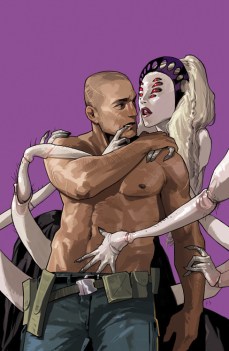
It’s disappointing that I give All-New X-Men: Here to Stay such a low score because the concept sounded fascinating on paper, and as much as people rip on Bendis so often you’d think it should be an Olympic sport I tried to come in with an open mind that had his previous good work sitting in the middle of it. Maybe I feel so let down because expectations were so high, so perhaps a bit of bar-lowering is required. Excuse me for a second.

***

OMG u guyz All Nu Xmen is teh sh*t! Soooooo good ai? Wulvarine is cool SNIKT BUB luv his claws.

***

That’s how uncultured fans speak, right?

all new xmen here to stay

STORY: 2/5

ARTWORK: 3.5/5

DIALOGUE: 1/5

OVERALL: 6.5/15

BEST QUOTE: “Gut him, teach.” – Quentin Quire

Saga, Volume 2

WARNING: THIS REVIEW CONTAINS SOME VERY NSFW IMAGERY

Imagine seeing a movie for the first time that completely knocks you off your feet. It’s the kind of story that speaks to you on so many levels, touches so many of the bases you identify with that you can’t help but feel a singularly satisfying experience that you don’t find anywhere else in quite the same way. It transcends simple enjoyment or a “best ever” list, and holds a special place in your heart.

So much so that when a sequel’s announced you’re equal parts excited and trepidatious; on the one hand, “Yay, there’s more of my favourite movie coming! With the same cast and director and everything! It’s going to kick ass!”, while on the other, “Oh god, they’re going to wring a ham-fisted sequel out of something I find singularly special! It’s going to suck!”

Then, after waiting a few years to sit down for a couple of hours and see what will either be another landmark narrative moment or the awkward squawking of a beloved intellectual property being rigorously tortured on-screen, you finally see it – and against all odds, the movie kicks so much supreme ass that you’re positive it’s as good and special as, if not more than, the work that preceded it. It’s beyond the impossible, but it’s happened. An exemplar of work now has a matching sibling of equal caliber.

If it weren’t already obvious from the title, Saga‘s become this for me.

After last year’s award-winning (at least on this website) entry, I was similarly excited and apprehensive that Volume 2 would live up to the expectations set by its maiden debut book. It went beyond thinking lightning could strike twice and moved into “winning the lottery on two different Powerballs in the same week” territory – not exactly impossible, but you’d have a better chance of the American government purchasing Julian Assange a beach house in Maui.

Thankfully it avoided the pitfall that franchises like The Matrix and Die Hard have fallen prey to, and kicked more ass than a robotic boot magnetically attracted to donkeys. The story picks up not long after Volume 1’s conclusion, where Hazel and her merry band of parental misfits come across father Marko’s own parents on the rocketship they grew in a forest. Following that we’ve got a similar fantasy-cum-sci-fi tone as the first book, now peppered with oddities such as security guards with talking face crotches, a one-eyed Mills and Boon author who lives in a lighthouse guarded by a baby seal in overalls, and a generous helping of unwanted GST. No, not a Goods and Savings Tax, but rather a Giant-Scrotum’d Troll.

Did you think I was kidding?

Troll bollocks aside, the story’s got a lot to offer intellectually. The endless cycle of generational war faced by the inhabitants of Wreath and Landfall – or, particularly, the reasons behind it – are directly called into question. There’s quite a bit of introspection regarding what makes a good parent in this interstellar backdrop of a hellhole. The reader is challenged to decide, is a battle fought on ideological grounds something worth actively supporting, or is our agency so far removed from the idealistic heart of the conflict that we can grow so dispassionate as to not care one way or the other if millions get slaughtered in the name of hollow “peace”?

More importantly though, there’s a troll with a giant scrotum.

If I have an issue with the story – and believe me, it’s so minor it almost doesn’t bear scrutinising – it’s that some characters end up a bit out of focus. Prince Robot IV – snarky android anti-villain of the first volume, presented here without a need to go to the bathroom – only shows up towards the end, and aside from a brief interlude where he dreams about killing whorehouse security guards with deceased spider-girlfriend The Stalk there’s also little of The Will in this one compared to Volume 1. Part of what amped up the tension in Volume 1 was seeing these two separate entities about to collide with both their intended targets – our fugitive heroes – and each other. It was a bit missed here, though that tension did return in an absolute masterstroke at Volume 2’s conclusion.

The art by Fiona Staples is in fine form as always, and several steps above the work presented in Volume 1. I remember being a bit annoyed that some of the battle scenes and blood sprays could get a bit visually confusing, and Staples seemed to have nipped that problem in the bud with Volume 2. While bits and pieces can be slightly off-putting (like the oft-mentioned troll genitalia) it all comes together in the end, giving us realistic facial expressions and fantastically-imagined creatures given shape on the page. Also, whenever I see The Stalk I’m not sure if I should feel disgusted or oddly curious – I guess that’s a good thing?

Dialogue is flawless. Brian K. Vaughan has an uncanny knack for just the right amount of swearing, neutrality and thoughtful dialogue with lovey-doveyness inserted in just the right places. There’s some great banter between the two big new pairs of protagonist interactions – being Marko and his mother, and Alana with Marko’s father – and the character dynamics as a whole are kept fairly stable and consistent. As one of the few comics that can literally make me laugh out loud every other sentence but be able snap back to dead seriousness when needed, Saga gets a bit fat gold star at the bottom of that particular report card.

If you’re not aboard the Saga train, get on now. It’s accessible, unburdened (at least for now) of years of snarled continuity and copious back issues, with a narrative and characters you can truly engage with despite the fantastic deep space setting. It’s got humour, violence, sex, swearing, heartwarming moments and a cute kid in yellow-horned jim-jams.

Also, troll scrotum.

STORY: 5/5

ARTWORK: 4.5/5

DIALOGUE: 5/5

OVERALL: 14.5/15

BEST QUOTE: “Yeah, yeah, so my mom and dad used to have sex. What, like your parents just WILLED you into existence…” – Hazel