Black Widow: The Finely Woven Thread

One of the things that really separates the current Captain Marvel and Hawkeye ongoings from the rest of Marvel’s current comic crop is the artwork. Names like Emma Rios, Dexter Soy and David Aja are putting best feet forward for those books by veering towards artistry that’s a far cry from the stereophonic colourfest that is most of superhero comics’ main go-to. Rios goes for off-beat pencils, Aja is a stripped-back ‘acoustic’ illustrator, and Soy makes everyone look like Skrulls. Ok, so art off the beaten track doesn’t always work, but at least it’s an attempt at something that breaks the mold a little.

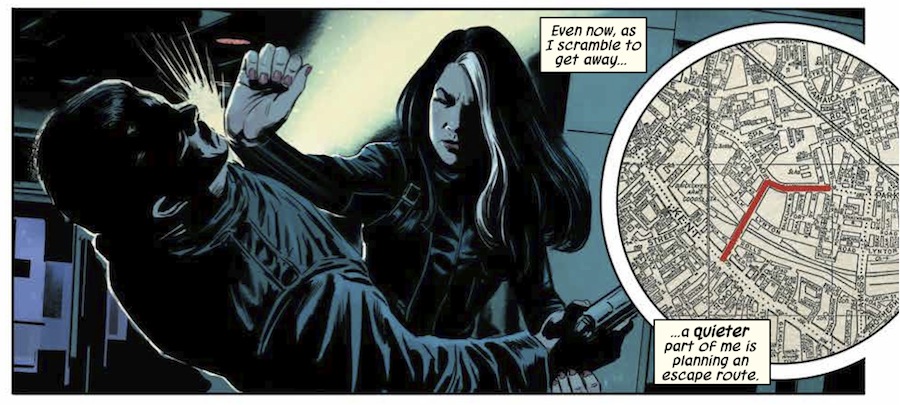
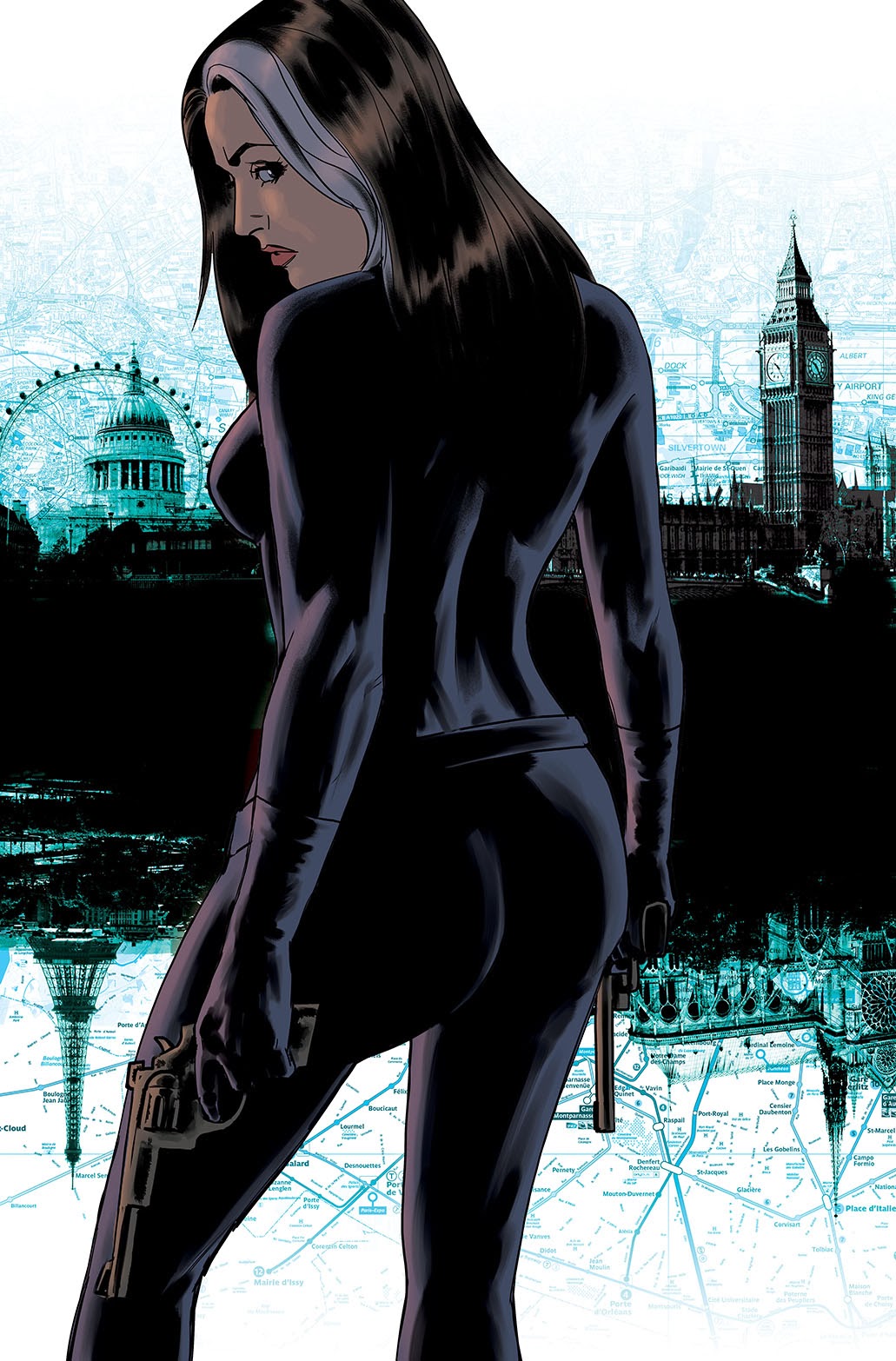
black widow 4My thoughts on reading the first volume of Nathan Edmondson’s current Black Widow series began and ended with the artwork – namely, that it seemed to be trying a little too hard and wasn’t quite confident in its approach. I wouldn’t normally bring it up this early in the review, but it’s worth noting up front. The Finely Woven Thread is definitely a pretty book, but artist Phil Noto can’t seem to decide whether to go with the barebones approach with minimal colour and heavy emphasis on what’s on the panel rather than how pretty it is – a la Aja – or to stick with the flourishing, gorgeous watercolours (I think?) and sweeping combat layouts that evoke David Mack’s work on Daredevil with Brian Bendis. One part of Thread resembles a beautiful fever dream, the other’s a 60s throwback that could only be complete with giant dots and its protagonist in a go-go dress.

tl;dr – art is pretty, but needs to choose a style and stick with it.

But I guess the switch-footing artwork goes a little hand-in-hand with the story itself, which seems like an attempt at the Marvel Universe as written by John le Carre as it black widow 2follows the eponymous Black Widow’s moonlighting as an assassin when she’s not saving the world with SHIELD. Everything up until the halfway point of Thread is a standard job-of-the-week narrative until we start to hit the arc-based stuff when a dude with a very personal grudge against the Widow shows up, literally, as an agent of chaos (seriously, the arc words beginning here are all the do with “chaos”, which gets a little on the nose). From there we get the beginnings of what I imagine is a story with further reach than Edmondson’s originally clued us in to, which is exciting if a little belated.

Thread is a decent book, maybe even an OK book, but I’m left feeling like something’s missing afterwards. Edmondson does a great job bringing the Widow to life as a character and a badass simultaneously, with reason and motivation between the two fuelling each other nicely. The settings are nice, the plot’s streamlined enough for most to follow, and the page layouts during fight scenes are, without hyperbole, the best I’ve seen since Frank Miller’s work on that Wolverine miniseries. Widow’s supporting cast is good, surprisingly bereft of big name Marvel players besides incumbent SHIELD Director Maria Hill and a brief appearance by Hawkeye in a jab at Matt Fraction’s series.

black widow 1Actually, speaking of Hawkeye, I’m reminded of another thing delineating the successes of Captain Marvel and Hawkeye; the stories are fresh, separate and focus largely on gaps in their respective protagonists’ day jobs. Ok, maybe not so much Captain Marvel, but quite a lot of the stuff in her first volume only featured her traveling in time and fighting during World War II without Avengers backup. The books focus on the characters as people in addition to being superheroes, relying on their particular strengths to hold a narrative on their own without hitting the panic button and calling for Captain America when things get rough.

This is something Black Widow attempts, but doesn’t quite succeed at. The Widow herself is definitely independent on the job and largely off it too, and the inner monologuing provided by black widow 3Edmondson goes towards establishing her as a fleshed-out, three dimensional protagonist. But it just feels like it’s trying a little too hard to strike that balance that Hawkeye and Captain Marvel achieve so effortlessly, as if Marvel saw the two books’ successes and recruited Edmondson to match it on purpose. It’s still a good little story and engaging despite its problems, but it does feel a smidge manufactured versus the more organic feel those other two books had.

Taken on its own merits, The Finely Woven Thread is a fine start to another welcome female-led superhero ongoing, and if nothing else it’s definitely nice to see Natasha Romanoff drawn and proportioned as a real human being rather than a curvacious blow-up doll. I like that Phil Noto’s trying something different with artwork, I like that Nathan Edmondson is attempting a different path for the story than the previous Widow runs with Paul Cornell and Marjorie Liu, and I like that dialogue isn’t either completely inappropriate for the tone nor far too ingrained in spy lingo and gritty one-liners. But I still feel like a crucial component I can’t quite put my finger on is absent from Black Widow‘s current makeup, and until subsequent volumes hit that nail on the head I’m going to be left a little wanting.

I definitely recommend reading The Finely Woven Thread at the end of the day, but take it for what it is: a promising beginning that could very easily strike either side of the coin. And it has a guy named Iron Scorpion. Which is honestly a ridiculous name.

black widow coverPUBLISHER: MARVEL COMICS

STORY: 3.5/5

ARTWORK: 3.5/5

DIALOGUE: 3/5

OVERALL: 10/15

BEST QUOTE: “Home is where the hurt is. That might be the jungle. It might be back on the streets of my birth city. It might be here. And every home has dangerous predators of its own.” – Black Widow

New Avengers: Other Worlds

I’ll be honest. I procrastinated with this one. A lot. On purpose. Because reasons.

Part of what I realised I didn’t like after reading the first volume of Jonathan Hickman’s New Avengers was that it was damn near impossible to feel emotionally invested in any of the protagonists. I compared the book to the distinctly anti-heroic-bordering-on-villainous take in Uncanny X-Men, but the more I think about it the more it becomes clear that New Avengers is far closer to the bad guy side of the coin.

That’s not a problem that shuts out anyone writing a book about villains. Some of the best works in contemporary fiction have villain protagonists who are engaging enough that we can get into the story (look at Breaking Bad, for instance). A story that follows an unequivocally “bad” guy isn’t something I’m not able to dig.

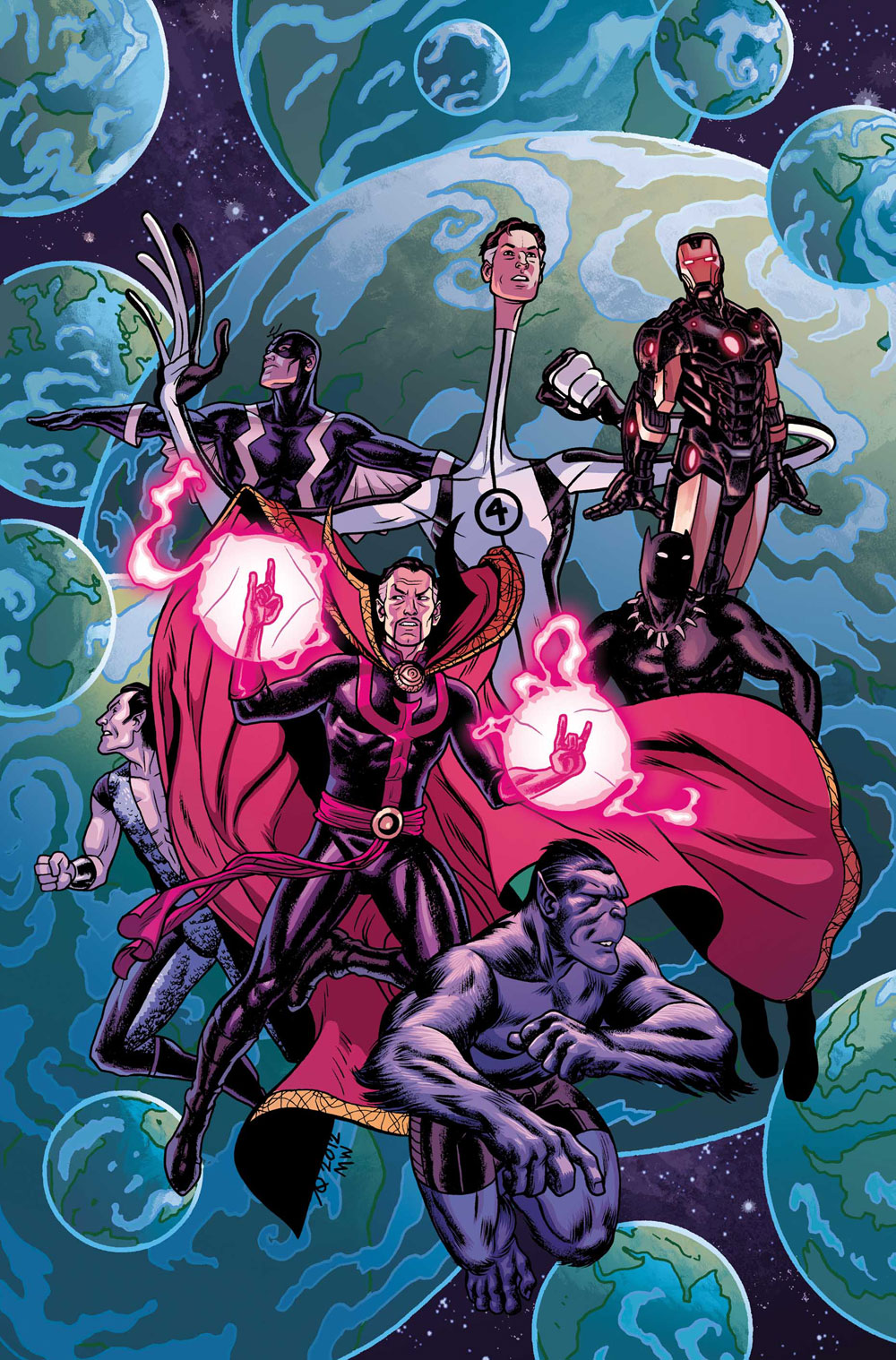
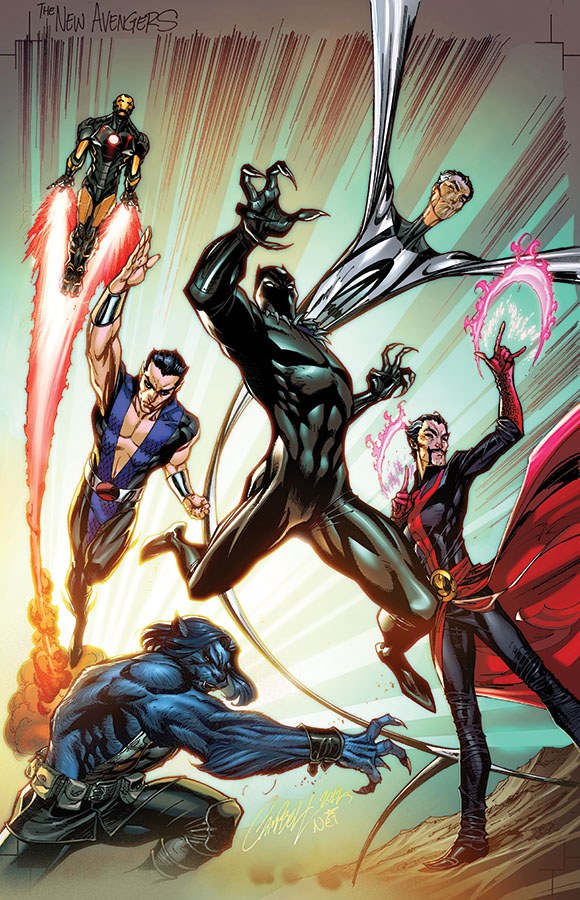
New Avengers is a little different. It’s clear we’re supposed to treat Iron Man, Mr Fantastic, Namor et al. as anti-heroes straying dangerously close to the border between Daredevil and Dr. Doom. They’re taking risks, engaging in morally grey activities but all for the betterment of the world. They’re badasses the same way Rust Cohle in True Detective was; they get the job done, but you wouldn’t exactly label them as affirmative action figures so much as tools accomplishing a task without thought for morality.

other worlds 1What I’m saying is it was difficult for me to get around to reading Other Worlds given how much that thought pervaded my mind after reading Everything Dies last year. New Avengers seemed to exist in this limbo between anti-hero and villain storytelling that, while it’s definitely a damn good read, was not the kind of title I felt like diving back into the same way I do whenever Saga or Scott Snyder’s Batman releases a new volume. Did I really want to go through more of that “neither sweet nor bitter” storytelling when there are far more family-friendly titles I could review, like the new Black Widow or MIND MGMT?

Well, the answer is “yes”, if not least of all because I love Jonathan Hickman and missing any piece of his Avengers and New Avengers puzzle would niggle at me like a loose tooth. Blame my collector genes.

Surprisingly, Other Worlds seems to ditch a lot of grey morality storytelling that composed its first two volumes and is instead more interested in, well, other worlds. A good half of the volume is literally a glimpse at similar universes to our one that get completely destroyed thanks to all that multiversal entropy business Everything Dies introduced. Variable versions of the Avengers, both New and vanilla, fight in vain against the Mapmakers while Iron Man, Mr Fantastic, Namor et al. sit back and fret over what’s going to happen to them once said Mapmakers are finished with their multiversal canon fodder. Then a universe with a thinly-veiled version of the Justice League shows up.

Huh.

Let it never be said Hickman writes stories that feel samey; most of Other Worlds deals with astrophysics and complex multiversal theoretical shenanigans that almost any other comic not written by Grant Morrison would not ever attempt to serve to its audience. other worlds 3Wrapped around the “hard” science fiction (for though I don’t know myself, I’m pretty sure several multiverse theorists might take umbrage with some of the techno-babble Tony Stark spouts) is a bit of a character moment between Namor and Black Panther that kinda echoes a Londo-G’Kar relationship. Yes, I have been watching Babylon 5 lately, how did you guess?

Though it’s not at all a bad book, Other Worlds isn’t so much a story in itself as it is a twin gun plot purpose cannon. What I mean by that is it exists to serve two (possibly three) purposes within its pagecount: one is, by showing us all the universes collapsing as ours gets further up to being next on the list, to put a human face on those numbered, nameless worlds as they spiral towards destruction. I guess it helps avoid the disconnect audiences might get trying to visualise faceless casualties in a disaster movie when a character states that a million billion souls have bought farms by showing us who’s dying and why. It’s nothing near tragic, but it’s something I guess.

Two is to make it clear that this entropy and the Mapmakers accompanying it is not a threat to be other worlds 2trifled or simply beaten into submission. This is the part of Hickman’s New Avengers plot I both like and dislike the most; the former, because it avoids repetitious use of the good ol’ “punch it in the face” trope that solves most superhero narratives, and the latter, because it feels distinctly unlike a real Avengers plot in and of itself. It’s the kind of science fiction threat I’d expect to see in Star Trek or, again, Babylon 5, and while it’s not unwelcome for an Avengers book to be about something different than somebody wanting to take over Earth or just kill a bunch of heroes for giggles, it does feel just a bit incongruous.

Adding to the incongruity is the artwork, which I’m forced to split down the middle in my critique of it. One half, handled by Rags Morales of Action Comics fame, is great, gorgeous and engaging. The other, illustrated by Simone Bianchi, is somewhat messy, thick and throws me from the story the same way Fillipe Andrade did during his Captain Marvel work. I happen to think Bianchi’s a great artist, particularly loving his work on Astonishing X-Men: Ghost Box back in the day, but it doesn’t really work here. I guess since the narrative’s migrated a little from the grey morality that Steve Epting masterfully illustrated during his work on the first volume that we need something different, but I’m not sure Bianchi was the right fit here. Still, once again, I give points for something a bit different.

Dialogue’s hard to judge this time around. As I said it’s got a ton of techno-babble that adds to the Star Trek vibe I get, and while our core cast of characters seems consistent I don’t really take much from those in the other universes – including and especially the not-Justice League at the end. It doesn’t quite feel like standard Hickman wordiness the same way the layered and hinting dialogue other worlds 4in East of West and Infinity did, which does detract from what did make Everything Dies a bit more engaging. Also, I can’t remember, did Black Swan explain what all those “Yabbot” words meant earlier? Coz she struck me as being like someone who speaks fluent Japanese, knows that you do not, and chooses to converse and insult you with it regardless. Now that’s just rude.

Also, wasn’t Thanos stuck in amber somewhere here after the end of Infinity? They seem to have forgotten him, which you’d think would be difficult when it comes to an eight-foot-tall titan from the moon with a face like a cleft grape.

I feel like Other Worlds works better as part of the whole rather than on its own, which both helps and hinders it in a recommendation. If you’ve followed Hickman this far down the rabbit hole then it’s worth it to read all the pieces, but as a text on its own it does not stand up even without all the greyer disconnect that riddled Everything Dies. Maybe wait for the run to end so you can just marathon it. I’d say that’ll make it easier to keep all the techno-babble in check under one umbrella.

other worlds cover

PUBLISHER: MARVEL COMICS

STORY: 3/5

ARTWORK: 3/5

DIALOGUE: 3/5

OVERALL: 9/15

BEST QUOTE: “Many worlds implies many variables. Perhaps on one Earth, the Soviet Union never fell. On another, man never landed on the moon. This is pretty much the foundation of every piece of bad science fiction ever written.” – Beast

[75 YEARS OF BATMAN WEEK] Day 5 – The Dark Knight Returns

“This should be agony. I should be a mass of aching muscle — broken, spent, unable to move.

And, were I an older man, I surely would…

But I’m a man of 30 — of 20 again.

The rain on my chest is a baptism.

I’m born again.”

.

Batman, The Dark Knight Returns #1


ORIGINALLY PUBLISHED IN 1986 AS “BATMAN: THE DARK KNIGHT RETURNS #1-#4”

This, too, must end.

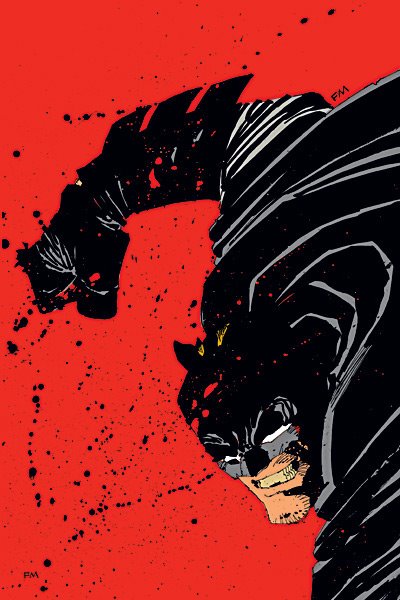
Ask any Bat-fan worth their salt what the narrative with the biggest impact to the character’s overall presence is, and I’d bet good money the most prolific answer you’ll get is The Dark Knight Returns. I’m gonna generalise here and suggest it’s the most oft-cited Bat-story ever printed (besides his debut in Detective Comics #27, of course), and the evidence for that is in the sheer number of times it gets namechecked whenever an adaptation – visual, literary or critical – pays homage to Frank Miller’s landmark work. Christopher Nolan’s retired Batman in The Dark Knight Rises? The death of the Joker in Arkham City? The post-apocalyptic, criminally-infested version of Gotham we got in Grant Morrison’s Batman #666? Those surface-level threads link back to Miller and The Dark Knight Returns, and that’s just stuff I can think of off the top of my head.

GalleryGraphicNovels_1900x900_BatmanTDKR_52af9e0b71daa3.50638882

In the grand tradition of all the Bat-reviews I’ve covered this week, I’ll open with a watered-down plot premise: Gotham’s in its death throes, overrun by crime in a futuristic dystopia where Batman’s retired and most of his family are either missing, in government employ or just dead. After one particularly bad night – hell, maybe he even had that nightmare I covered yesterday – Bruce Wayne decides to throw caution to the wind, haul his geriatric body up and get back to kicking ass as Batman. In a way that reminds me of what Nolan suggested about supervillains at the end of Batman Begins – being that the sheer presence of a guy in black rubber dressed as a member of the chiroptera family inevitably brings out the crazies – Bruce’s return to the crime scene sparks a greater conflict in Gotham that could quite literally see the city wiped off the map.

dark-knight-returnsIf I was confident that I could hold your attention for the 20,000 words thesis necessary to at least start scratching the surface of what makes The Dark Knight Returns work like gangbusters, I’d do it. Probably with interpretive dance and a Richard Burton impression just to make it a bit more engaging. The truth is – and this may sound, as much of what I post on this website, like something of a cop-out – I cannot do justice to this book in the mere space of a 1200-word review. There’s a plethora of aspects I could enter into: Bruce’s unwavering spirit that defies old age; the heteronormative masculine paradigms inherent to said spirit defying old age; duality overcome as Bruce becomes far less Bruce and almost entirely solely Batman with a singular identity; government forces of order through strength in moves that seemed to foreshadow elements of the War on Terror; the illegality of superheroes that was also covered in Watchmen

Like I said, if I had the confidence, I’d do the Burton dance.

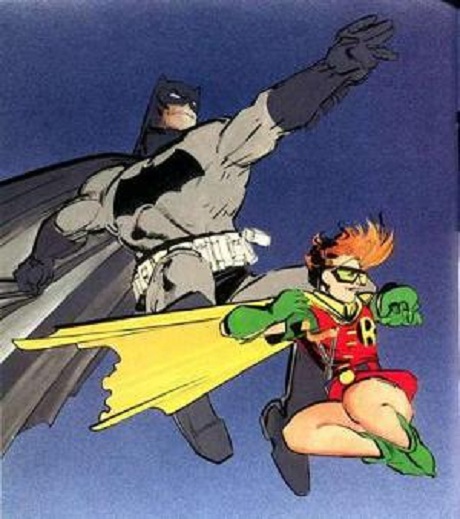
There’s so much tightly packed into the page count of The Dark Knight Returns that people have literally written papers and entire books just on aspects of study related to it. As mentioned previously, it’s one of the trio of books that includes The Killing Joke and Watchmen that dared to paint a cynical, grounded and realistic portrait of a hero’s last days in a world far removed from the camp and colour of the Adam West 1960s series. It’s a deconstructive text miller_batmanbearing a lot of sympatico with Watchmen, though I’d argue there’s a bit more optimism here than in Alan Moore’s magnum opus. Then again they’re both hellishly depressing in their own ways, so maybe optimism’s a relative concept.

The more I think about it, The Dark Knight Returns really did set the tone for a lot of Batman’s representation in the decades following it. He might not be an old man in the comics, animated series, video games and motion-comic tea towels, but the brooding, grim, somewhat cynical and overwhelmingly indomitable persona permeates almost every representation since 1986 to a certain degree. If the rumblings surrounding that Batman v. Superman: Dawn of Justice Which Is Actually A Really Ridiculous Title film are accurate, then our rising Batffleck will take cowl and character from The Dark Knight Returns when he hits screens in 2016, a full thirty years since the book was released. So that should tell you a little something about TDKR‘s enduring nature right there.

.

Impact and Influence

Ironically, the tremendous impact of The Dark Knight Returns is a double-edged sword. It’s a great story, a different take, a deconstructionist work, and set the tone for Bats and a few of his contemporaries in the years to follow.

That tone-setting, though, is kind of a problem.

dark_knight_returns2

One of the biggest complaints leveled at last year’s Man of Steel film was its tendency to cling a bit too close to the dark and depressing tonality end of the spectrum, which in turn was inspired by Nolan’s Dark Knight movies clinging to it, which was in turn at least partly because the comics were clinging to it in Knightfall and No Man’s Land and being super-popular, which was in turn because of The Dark Knight Returns – and because that tone clearly works both critically and financially, why fix what ain’t broke?

The problem with continuously drawing from the well of inspiration The Dark Knight Returns provided is what once was invigorating becomes stagnant. Have a read of this piece by Abraham Rieseman on why constantly eschewing other takes in favour of the grimdark Batman we know, love and want to hug might not be the way to go. I recommend it even if only because he suggests films based both on Gotham Central and Scott Snyder’s current run, as well as a Japanese-language Bat-film based on that manga from the 60s; I would watch all three in a heartbeat.

An additional issue, also mentioned in Rieseman’s piece, is that TDKR tends to overshadow a lot of other works pre-1986. Just look at the reviews I’ve done for the past week – nothing before 1986. Most of DC’s marketing prominently features books published in the wake of TDKR. Hell, can you even name an arc off the top of your head that took place before Miller came aboard? (ok, whomever reads this and can name an arc from pre-1986 off the top of their head, please disregard)

dark_knight_returnsInstead, the titles we recall off the tops of our heads are all the darker takes that drew their genesis from The Dark Knight Returns. We don’t really consider the lighter, action-oriented schlock pieces of the 60s, or at least not any specific story. Instead we remember Batman’s back breaking in Knightfall. We remember Gotham City decaying in slow death during No Man’s Land. We think of Grant Morrison’s run, of Jason Todd’s demise in A Death in the Family, of psychotic brotherly sociopathy in The Black Mirror, and of clandestine governmental conspiracy in The Court of Owls.

And, of course, we most definitely remember how Batman began, how his nemesis was born, how he can never trust anybody, and how thin his line between hero and villain truly is.

Please don’t mistake my meaning here: I do not hate or dislike The Dark Knight Returns, or believe it’s an unworthy book to be held in high esteem. Nor do I believe any of the works I’ve described in the paragraphs above are bad because the darkness pervades them all. I’ll be the first to admit I much prefer to grittier, more grounded approach to Batman compared to the light and fluff of the Adam West days. I think if we hadn’t had that shift towards darker storytelling we might not be celebrating Batman’s birthday with as much verve as we have today. But at the same time, it’s something to keep in mind going forward. If we stuck to original templates of things without much reinvention or change of the initial premise, we’d never have abolished slavery or acid-wash jackets.

In the final analysis, The Dark Knight Returns deserves its place as a – but, in my mind, not the – definitive Batman book in 75 years of canon. It might be a bit like the Casablanca of Bat-books – in that it introduced several tropes and elements that other works have taken and developed further afterwards – but you owe it to yourself, especially as a student of Bat-history, to read it. If nothing else, the battle that closes the book between Batman and Superman is, to slip into the colloquial for a moment, totally goddamn sweet.

3543879_orig

PUBLISHER: DC COMICS


That’s the end of Batman Week, folks. Thanks so much for taking this impromptu journey with me through five of the Dark Knight’s greatest endeavours. Who knows, maybe some of you will return in a quarter-century when we celebrate 100 years with a new slew of five books (of which I’m certain at least one will be written by Scott Snyder because I LOVE HIM YOU GUYS).

Part of what makes Batman so enduring, recreateable and endurable is his constant regeneration within pop culture canon across decades. Much like his own self-stated purpose at the end of The Dark Knight, he is whatever we need him to be: a light-hearted comedic saviour, a gritty avenger of the night, a mouthpiece for those whose words cannot be heard, and a defence against those who prey on the fearful. He is an ultimate cultural icon that might never truly cease to exist or remain relevant, as long as minds whose imaginations are captured by his exploits are then spurred to continue his regenerative journey.

After we’re all gone, I think Batman will still be here. He doesn’t belong to any one of us (except maybe DC Comics, but that’s a much more literal thing and this is a metaphor). We just carry him along a little, keep that popularity burning bright and hand him off to the next generation to repurpose him as what they need.


“All I really need to know is this: Batman always comes back, bigger and better, shiny and new.

Batman never dies.

It never ends.

It probably never will.”

.

– Commissioner Gordon, Batman Incorporated: Gotham’s Most Wanted


 demon wanted 5

[75 YEARS OF BATMAN WEEK] Day 4 – Arkham Aslyum: A Serious House on Serious Earth

“Afraid? Batman’s not afraid of anything.

It’s me. I’m afraid.

I’m afraid that The Joker may be right about me.

Sometimes…I question the rationality of my actions.

And I’m afraid that when I walk through those asylum gates…

when I walk into Arkham and the doors close behind me…

it’ll be just like coming home.”

.

– Batman, Arkham Asylum: A Serious House on Serious Earth


ORIGINALLY PUBLISHED IN 1989 AS “BATMAN: ARKHAM ASLYUM – A SERIOUS HOUSE ON SERIOUS EARTH”

This is where it gets complex, my lovelies…

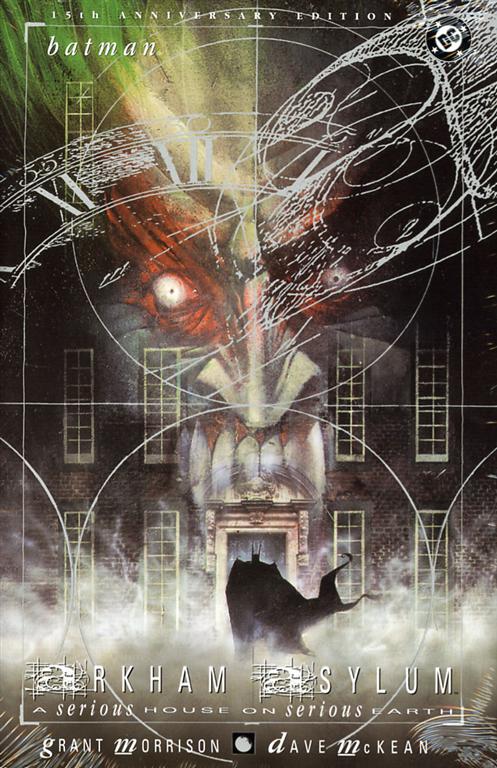
You’d be hard-pressed to find another superhero comics scribe as abstract, dense, avant garde and completely effing out there as Grant Morrison. Jumping forward in time a little, the man was responsible for an epic Batman journey that saw the Dark Knight gain a son, lose his life, kill a god, return from the end of time and set up a global crimefighting franchise. Oh, he also saved the world and ended up losing that son, so y’know, easy come easy go.

But before all that, Morrison crafted a neat little nightmare of a story where Batman has one particularly bad evening. Enter Arkham Asylum.

14689-146283-arkham3jpg-620x

I’m going to do major disservice to the thematic and subtextual goldmine that is this book by overly simplifying the plot – the Joker takes over Arkham Asylum and baits Batman to come get him. Upon entering, the latter discovers that Joker and all his supervillainous inmate buddies would just much rather that Batman stay and live with them to have all of Gotham’s freaks under one roof. It’s kind of a nice, psychotically-welcoming idea when you think about it. Like someone invites you to live with them in their basement full of butchered cadavers and Justin Bieber albums; the gesture’s nice, even if the location’s a bit off.

tumblr_mowhe4cGMO1rur0aro1_r1_500Arkham Asylum is a slightly longer one-shot that confronts Batman, Joker, Two-Face and several other villains with a distinctly psychological angle of attack. Darkness, duality and true monstrosity under Batman’s crimefighting persona are all touched on, offering the position established in this review’s opening quote: is Batman becoming, or is he already, as crazy as those he’s locking up in the asylum time and again? Are they truly the closest thing to family he’s got? Will such a realisation lead to awkward Thanksgivings where Joker cuts the turkey with an electrified chainsaw while the Riddler obliquely hints at where he’s hidden the applesauce?

As with The Killing Joke there’s a ton that can be said about the brevitous page count, not least of which is the open question of the story’s relationship to reality or, as Morrison postulates on Kevin Smith’s podcast, its actuality as a really bad dream Batman once had. (I can’t remember which episode he said that in, but you should just google ‘Grant Morrison Fatman on Batman’ and listen to them all anyway) The word I use time and again, both in this review and in describing the book to friends, is ‘nightmare’: it’s a surreal, Gothic, haunting narrative that is less concerned with plot, though obviously there is one, and more with character. I’m probably sounding pretentious as balls right now, but keep in mind I’m doing a PhD. It kinda goes with the territory.

Saladino's_lettering_sample

The book also feels a bit more concerned with the setting and the visuals than with a strict story per se. After Batman enters the titular Asylum we get a couple of small digressions involving villains like Two-Face and Killer Croc, and a longer one involving the Asylum’s obliquely-referred-to history and its founder Amadeus Arkham. I guess being deliciously mired within a setting this weird works on its own merits; TV shows like Mad Men show us we don’t necessarily need a fully straightforward narrative when the setting can do a lot of the engrossing work entertainment’s meant to undertake. That said, unlike some parts of the ’60s Mad Men portrays, you do not want to actually exist in the Asylum. You may feel as if you’re mainlining LSD in one arm and crystal meth in the other.

Yes, I know you don’t mainline crystal meth. I’ve watched Breaking Bad, too.

Though fantastic and engrossing, thanks in no small part to the story deftly and nightmarishly illustrated by surrealist artist and frequent Neil Gaiman collaborator Dave McKean, Arkham Asylum does have its drawbacks. If you’re after something coherent, easy to understand but still thematically engaging, go read The Long Halloween instead; Arkham is a frenetic, not entirely straight A-to-B plot narrative that uses structurally daring panel layouts and judicious use of crazy artwork to tell a completely mental story. If mental characters and a story illustrated like Batman’s tripping on bad acid ain’t yo thang, there might only be so much you can take away from this before seeking a cup of tea to calm you down.

I’d also highly recommend reading it at night, with a lamp and a small glass of your preferred alcoholic beverage. Trust me, it adds to the atmosphere.

.

Impact and Importance

Arkham Asylum’s biggest influence over current Bat-canon, apart from giving Morrison license to gloriously mess with continuity when he came back to start his run in 2006, is through indirectly creating those Arkham vidya garms all the kids seem to like these days. Indeed, Arkham Asylum the game draws a lot of inspiration from Morrison’s story. While it’s not a complete adaptation of the source material as is, it’s still pretty close. Though now I think of it, those fear gas-induced Scarecrow sections of the game do seem a little Dave McKean-y in layout and execution…

tumblr_mpzlfb9idy1s8h0dco1_1280

Its second-biggest influence – and one I’m completely pulling from supposition and thin air – was acting as a proof-of-concept that Morrison could write Batman, and he could write Batman well. He did scribe a shorter run simply titled Gothic the year after Asylum was released (though I’ve yet to read it), but since Asylum‘s the book most often namechecked in regards to the respect Morrison’s given by comic readers then I’d say that had the more lasting impact. The decision to let him do (almost) whatever the hell he wanted resulted in one of the best Batman runs ever – a distinction I don’t use lightly. Go look at the links in the first paragraph for an idea of what I’m on about, though do try to ignore the fanboy gushy parts.

While it’s something esoteric and not the kind of book I’d recommend to fans who don’t like depth in their cape stories, Arkham Asylum still stands as one of the most popular, if not most talked about, Bat-comics published in the last few decades. Even if it is a nightmare Batman’s having on a really bad night, it’s the kind of thrilling nightmare you’ll be glad you experienced.

Batman Week concludes tomorrow.

6a00d8341dc73753ef00e54f56e8068834-800wi

PUBLISHER: DC COMICS

[75 YEARS OF BATMAN WEEK] Day 3 – The Long Halloween

“I made a promise to my parents,

that I would rid the city of the evil that took their lives.

No matter what that evil looks like or becomes.

I believe someday I will make good on that promise.

I have to.

I believe in BATMAN.”

.

– Batman, The Long Halloween, Chapter 13


ORIGINALLY PUBLISHED DURING 1996-1997 AS “BATMAN: THE LONG HALLOWEEN #1-#13”

Did you like The Dark Knight?

God knows I did. It’s literally the film that gave me impetus to read comic books, made Batman my favourite comic book character and added further salt into the tragic wound of Heath Ledger’s passing. If it weren’t for me sitting in an overcrowded theatre in Western Sydney all the way back in 2008, on a date that wouldn’t end anywhere near as well as the film did, I might not be the intelligent comic book enthusiast I pretend to be on weekends. (actually, it was 3 dates with 3 different women over the course of a month and a half, all with about the same level of strike-outed-ness)

Part of what gave The Dark Knight such a fantastic story was its grounding in a story of deuteragonists. Batman and Harvey Dent – and, to a lesser extent, Commissioner Gordon – offered parallel extremes of the same goal, respectively lawless and lawful agents of the status quo in Gotham with an unending desire to see their city freed of the crime that only seemed to grow more rampant and infectious during Batman Begins. That story, and keeping both characters at centre focus in their campaign to rid Gotham of the Joker, is one of The Dark Knight’s greatest strengths.

That story drew inspiration from a little comic called The Long Halloween.

long halloween 3

Still a fairly neophyte crimefighter, Batman faces a problem when two prominent crime families – the Falcones and the Maronis – trigger an escalating war that threatens to destabilise Gotham. Things are made worse when a serial killer, nicknamed “Holiday” for their apparent preference for homicide on days of celebration, appears and exacerbates the situation. Faced with this kinda huge problem he’s not quite good enough to deal with on his own, Batman forms an alliance with Commissioner Gordon and ace attorney Harvey Dent in a bid to “bend the rules, but not break them” for the sake of protecting Gotham as a united trio. Unfortunately, as time goes on, those rules start to crack apart almost as much as their alliance does, as paranoia and circumstance take root and bring Gotham to the brink of destruction.

That paragraph kinda sounds almost like an overblown movie trailer, doesn’t it? Perhaps I should switch careers.

long halloween 1

The Long Halloween came about in 1996 at a time when company crossovers and multiple-title stories were in abundance, meaning anyone wanting to get in on Batman’s comic activities – especially in the wake of Joel Schumacher’s Batman Forever film in 1995 – had to purchase sixteen different ongoing books just to get at one narrative. Seedless to nay, a straight-talking 13 issue story that only required books with the same title to be purchased monthly was just what people who were after a cohesive and coherent story needed.

While it’s not as genre-defying or groundbreaking the same way The Killing Joke and The Dark Knight Returns were, The Long long halloween 4Halloween still holds a respectable spot on readers’ lists as not only a great story but a proper fleshing out of Harvey Dent’s backstory. The poor man’s journey from single-minded White Knight of Gotham to psychotically-twisted bipolar victim Two-Face is tragic, benefiting from the darker tone of the 90’s comic scene and the straight arrow of the narrative. Before this, the character of Harvey was never fully explored, or at least to the degree writer Jeph Loeb accomplished in this book, so seeing the pre-disfigured side of Gotham’s one-time prodigal son added a unique dimension to the general “Batman pursues a crim” story The Long Halloween employs as its spine.

Speaking of Loeb, this is easily tied for first as his best ever comics work, with the other recipient being his awesome Hush run (which, yes, has problems on a second readthrough, but I personally love the hell out of it). The introspection can get a little stilted at times, but overall the dialogue is solid and appropriate to each character. I feel Loeb gets a great handle on Batman’s thought process that’s neither overly verbose nor over-the-top hypermasculine, something he also brought across in Hush, and it’s really nice to read a book where that process feels somewhat more relatable. Also, at times there’s something of a wry black comedic tone going through things, with the highlight for me being a one-page series of panels where Batman spends Thanksgiving with someone…special.

long halloween 2

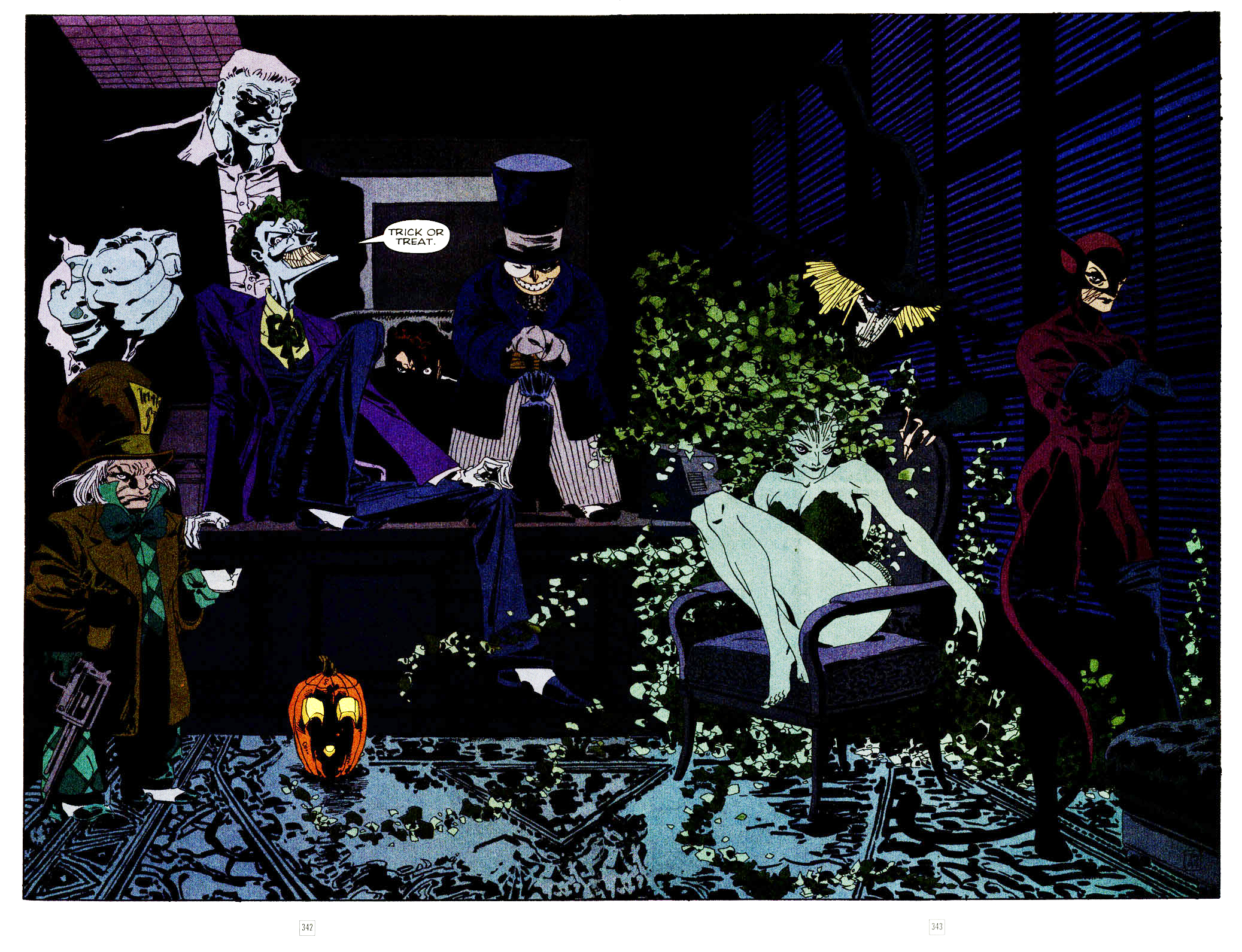
The art is…well, the art is by Tim Sale. Depending on your capacity for exaggerated forms and visual structure outside “regular” comic illustrations, you’ll either really love it or not care for it too much. I personally think Sale’s art is excellent, even if at times the darker palette can get a little off-putting and, at least in my older copy of the book, somewhat indistinct between background and character movement. If you loved the really tall and pointy ears on the Batsuit in the Arkham videogames, you’ll probably love Sale’s art.

.

Impact and Importance

The Long Halloween provided the blueprint for much of The Dark Knight, and as mentioned came around at a time when readers seemed to be getting a bit sick of multiple-title narratives when all they want is a straightforward book they can buy month-to-month. It’s possible Two-Face would be far more on the straight-villainous side of the spectrum rather than the tragic antagonist if it weren’t for his story; granted, he’s a nutcracker however you slice it, but at least The Long Halloween told us why, showed us how and really made the point that he was, if not a little unhinged, at least on the verge of it even before he copped an acid facial. It’s a real story on how devotion to an ideal and backwards-bending belief in justice can turn even the best of us into the worst. As with The Killing Joke, Batman faces a parallel here with Harvey Dent that implies what one of The Dark Knight‘s most famous quotes articulated – you either die a hero, or live long enough to see yourself become the villain.

long halloween 5

Just how far is too far? When does it stop? Where do you find the boundary in a man who has no boundaries?

Batman Week continues tomorrow.

long halloween cover


PUBLISHER: DC COMICS

[75 YEARS OF BATMAN WEEK] Day 2 – The Killing Joke

“Sometimes I remember it one way, sometimes another…

If I’m going to have a past, I prefer it to be multiple choice!”

.

The Joker, Batman: The Killing Joke


ORIGINALLY PUBLISHED IN 1988 AS “BATMAN: THE KILLING JOKE” ONE-SHOT

Batman might be turning 75 this year, but he ain’t the only one. Ladies and gentlemen, our other birthday boy – the Joker.

the killing joke 6

If Bats is the iconic comic book anti-hero, I’d argue the Joker’s the iconic supervillain. Whether Romero, Hamill, Nicholson or Ledger springs to mind when that moniker enters your ear, the Joker’s enduring presence not just in Batman’s ‘verse but in the popular cultural canon speaks volumes to just how effective and remakeable the character is. I mean, where would we be in life without a psychotic, mass-murdering sociopath to remind us how hilarious violence and clown-themed crime can be?

So if Year One is how the Batman got his drabcolour dreamcoat, The Killing Joke is the tale of the man who would be Joker. It’s also one of three books – the other two being Watchmen and The Dark Knight Returns – that began the Dark Age of comic books.

the killing joke 5

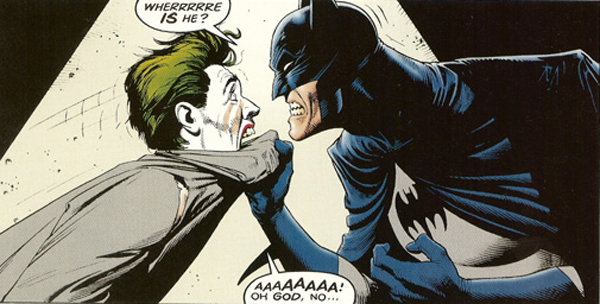
The Joker escapes Arkham Asylum, kidnaps Commissioner Gordon and shoots his daughter Barbara through the spine, leading Batman on a chase to an abandoned circus ground in Gotham. The showdown between the Dark Knight and the Clown Prince of Crime (which I still find an iffy moniker – I mean, when was he a prince? Is he secretly the heir to Westeros and nobody noticed? Well, they don’t call that fan theory R+L=J for nothing) is interspersed with moments from a man’s life as he deals with a pregnant wife, a dissatisfactory job as an engineer and a burgeoning, if stolid, comedy career that he could fully commit to if he didn’t have all the above to deal with. Who knows, if this guy didn’t have so many issues in his life, he could take up comedy as an occupation, and become a full-time Joker.

Yeah, that was painful.

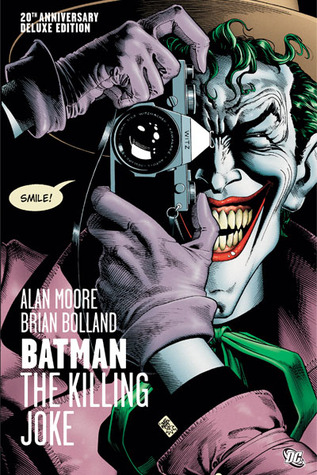
the killing joke 1The Killing Joke is written by Alan Moore, beautifully rendered and illustrated by Brian Bolland, and remains the go-to story if you want something Joker-centric. The shorter prestige one-shot format the book uses, instead of a longer arc-based run in the main comic the way Year One was told, means vast tracks of story and subtext need to be conveyed in a brevitous amount of page real estate. It’s the kind of dense, thematically-imbued story that only a master storyteller like Moore, in the days before he swore off superheroes and condemned the lot of us as a bunch of subnormal idiots, could pull off with the page count given to him.

I don’t mean to gush so much, honestly. I know there’s no such thing as a perfect novel, and it’s true that even though the one-shot format gives us a tighter, more focused story it still feels like there are areas of the engineer’s backstory that could’ve been fleshed out a bit (despite what Joker might claim about having a multiple-choice past). I know some of the colours during the more nightmarish sequences at the circus can get a little messy, at once aided and hampered by limited-colour palettes whenever Joker decides to get his torturer on. I know a lot of people, despite overall praise, take issue with the ending being so ambiguous. But seriously, I love this not just because it’s a classic but because there is so much you can take from it, and the best part is there’s no real right or wrong way of interpreting the Joker’s most seminal narrative.

the killing joke 3

The Killing Joke‘s themes and subtextual elements, not to mention Bolland’s excellent artwork and panel layout that evokes a lot of the hidden structural gems Dave Gibbons utilised for Watchmen, have led to countless theories and interpretations regarding The Killing Joke‘s meaning. Hell, Grant Morrison even thinks Batman actually killed the Joker at the end of the book, and some other goon took up the latter’s mantle afterwards to go running around terrorising the Bat-clan.

It’s that kind of mining for meaning that elevates The Killing Joke above a lot of other Batman, and indeed Joker-centric, stories published over the last few decades. Is it just another day in the life of Batman battling his archnemesis, or does he instead capture the Joker and, after one tragedy too many, reaches the end of his rope to finish the job? Or is so much of this in Batman’s mind, exaggerating psychological traumas in much the same manner Morrison’s own Arkham Asylum did?

Hell if I know. I just write and pretend to sound smart.

.

Impact and Importance

As I mentioned, The Killing Joke is part of a trio of books that kickstarted the Dark Age of superhero comics. The Joker’s always been portrayed as a nutter, usually to the same comedic effect with which Cesar Romero portrayed him in the Adam the killing joke 2West Batman! TV series of the 1960s. Moore took this a step further, turning him from being simply Batman’s foil with a circus motif to being a nightmare in clownish getup and an instant reason for coulrophobics to experience insomnia afterwards.

The psychotic, horror-fuelled Joker became a staple the same way Batman’s brooding, gritty characterisation began following Tim Burton’s 1989 film and was cemented by Christopher Nolan in the Dark Knight Trilogy. Heath Ledger took that take and the book itself onboard when portraying him in The Dark Knight, and dammit if he didn’t make Moore’s Joker leap off the page with more style and dark panache than almost any other actor could’ve managed.

The book also resonates throughout contemporary manifestations of the evilest clown since Pennywise. Scott Snyder kept that dark surge of no-boundaries malevolence around when he wrote Death of the Family, and before him Grant Morrison gave him even more literal monstrosity with all that tongue-bifurcating business in Batman R.I.PI’d bet good money any Joker write worth their salt will, in some measure, use The Killing Joke as a foundation to characterisation if nothing else.

If you’ve ever read, watched, heard or played a Joker story and loved it to pieces, chances are it might owe just a little bit of its genetic makeup to The Killing Joke.

the killing joke 4

Batman Week continues tomorrow.

the killing joke cover


PUBLISHER: DC COMICS

[75 YEARS OF BATMAN WEEK] Day 1 – Batman: Year One

Our Batman, who art in Gotham,

Cowled be thy mane…

– Opening Prayer,

Kevin Smith’s Fatman on Batman podcast


The (arguably) most popular character ever to spawn from comic books is 75 this week. Suck on that, Doctor Who 50th. (no, I’m joking, I love you Doctor Who)

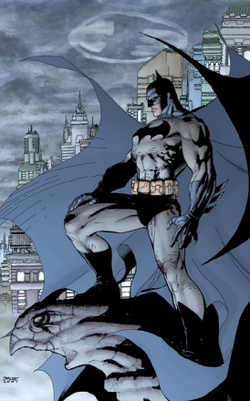
So this is kind of a big deal. Sure, his fellow contemporary Superman also became a big septuagenarian-and-a-half last year, but Batman is…well, Batman. The fact a character so malleable and translatable across decades is able to remain as popular, if not definitely more so, than he was at the time of inception is no mean feat. Whereas Supes has fallen out of favour here and there, Batman has remained fairly constant.

Comic_Art_-_Batman_by_Jim_Lee_(2002)

75 years. Wow.

Y’know what that means, right?

.

WELCOME TO 75 YEARS OF BATMAN WEEK

.

Over the course of the next five days, you’ll be subjected to on-the-fly reviews about five of the most influential Bat-books published within the last three-quarters of a century. Well, actually, most were published in the last half-century. Alright, the last third-century.

Point is, these are tomes whose meaning and importance to the Bat-mythos cannot be understated, and continue to resonate as the Dark Knight guns for that elusive centenary in twenty-five years time. Each review covers a book, its overall importance to Batman and its general impact and influence in contemporary Bat-canon.

I should stress that this is not a comprehensive list of every huge and major Bat-text out there, nor is it simply the only five that are actually really big and awesome and still referenced to this day. Fact is, there are more defining arcs of Batman’s narrative out there than there are grains of sand in Bondi Westfield, and if we were gonna outline every major turning point in the Caped Crusader’s life we’d be here all night for the next 75 years. Don’t fret if your personal pick isn’t on this list; it ain’t exhaustive, and I probably like that book you’d suggest too.

So without further ado, let’s look at Year One. Where it all began, 48 years after Batman started. Because continuity.

.

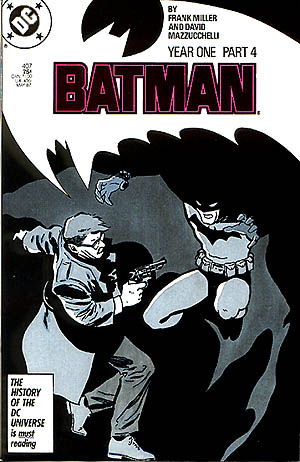
ORIGINALLY PUBLISHED IN 1987 AS BATMAN #404-#407

In actuality, Year One is the Batman origin story no-one really bothered to comprehensively tell until Frank Miller took a stab at it in 1987. Until then, the main defining points of Batman’s genesis were limited to early recaps of unseen narratives and short panels describing Bruce Wayne’s evolution into the caped and cowled avenger of the night. Even if I’m wrong there, it’s still telling that Year One remains *the* defining Batman origin story when it’s so readily pointed to as such today.

Gotham City is a cesspit of evil and decay, and only two men are able to save it: James Gordon, newly minted cop in the Gotham City Police Department, and a mysterious vigilante dressed up like a bat who only emerges at night to perform amateur dental surgery with his fists on Gotham’s criminal element. The two will have to learn to work together to save Gotham from a slow and lingering death at the hands of the scum and villainy that infests it, dealing with their own personal doubts and corruption at the very heart of the entity designed to safeguard the city.

batman year one 2

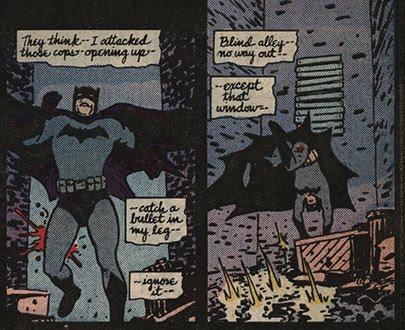
There’s not much I can say about Year One that you don’t already know to some degree, not least of which because the book itself isn’t terribly long. Batman’s origin is well-trod ground in animation, comic books, literary novels and motion pictures, and the bare bones of it here are interchangeable with almost any other origin take out there. Bruce’s parents die, he becomes Batman, he and Gordon become friends, they fight crime. The reason it’s interchangeable is that, even if he didn’t come up with specifics entirely himself, writer Frank Miller gave us a story that rolled it all into one narrative and presented it so starkly and memorably.

The importance of Year One to the ongoing Batman story cannot be oversold. It’s an origin story, a character study and a haunting batman year one 3portrayal of a grimy, decaying city in its death throes that only receives salvation at the hands of a figure almost as illicit and unsanctioned as the crime that crippled it in the first place. There’s so much one can say about Year One, so many subtextual and thematic elements that can be unearthed amongst the tapestry of the overall “Bruce Wayne becoming the Batman” story that I could keep you here for hours. Since I’m kind of a nice guy, I’ll just take another ten minutes from you.

Hey, it’s Batman’s birthday. He might not be able to wear your ears out with speeches, but I can do that for him.

Scriptwork is excellent, with Miller coining a lot of the darker tropes that would influence works further down the line in the dawning of the so-called “Dark Age” of comic books. I’d bet good batman year one 1money Christian Bale took most of the grizzled, private eye narrative method of introspection Batman uses here when he started out portraying the Dark Knight in film, and it’s a testament to Miller’s nuanced style (or, at least, nuanced in the days before he wrote All-Star Batman and Robin) that none of it feels overwrought. Similarly, David Mazzuchelli’s artwork sets the standard for Batman work, as gritty and grimy as the city it takes place in but never so despondent that it gets off-putting. While future artists like Francesco Francavilla, he of the superlative Black Mirror arc, tried to emulate Mazzuchelli’s style in homage or as inspirational, no-one does it quite like David.

.

Impact and Importance

As stated previously, Year One is still considered the landmark origin tale for Batman (at least, it will be until Scott Snyder’s Year Zero run wraps up later this year). Batman Begins, the Animated Series, Tim Burton’s eponymous Batman film and I-don’t-know-how-many-other-stories took the darker, grimmer origin Miller gave us as a base for their own narrative, and it’s no coincidence that at least the three narratives I mentioned there are all universally awesome. It’s a stark contrast to the flashier, poppier stories presented by Adam West’s Batman TV series and the slightly more optimistic and off-kilter stuff of the 60s and 70s, so while there’s not as much brevity in Year One as Batman used to possess, it’s still engaging in its own way.

batman year one 4

As the world continued recovering from grim World Wars and being in the midst of a Cold one when this book was released, it became clear that the rosier-cheeked, campy fun Batman of the past two decades wasn’t going to cut the mustard with readers who were acclimatising to a darker, scarier world. If other works beforehand hinted at the darkness, Miller solidified it in Year One (and that other kinda-big Bat-book he wrote, but we’ll get to that later) and helped shape it into one of the Dark Knight’s most enduring contemporary character traits.

So if you ever get annoyed at how depressing the Dark Knight Trilogy is, go yell at Frank Miller. It ain’t Nolan’s fault he took inspiration from the guy.

In the end, Batman: Year One is where a lot of today’s caped crusading began. It was also a signal that the darkness was here to stay.

Batman Week continues tomorrow.

batman year one coverPUBLISHER: DC COMICS

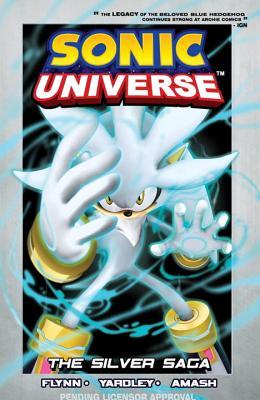
Sonic Universe: The Silver Saga

It’s imperative, to at least maintain a facade of balance, that a critic must experience things far outside their comfort zone. Reviewing the same or similar things each week just propagates repetition and mires critical responses in a paradigm with small boundaries. Going outside the box and checking out stuff you’re not necessarily into or wouldn’t consider at first glance can provide one of two things – either you discover something so incredibly awesome that you didn’t know you wanted to read until you read it, or you affirm the reason you stayed inside the box in the first place.

Sonic Universe: The Silver Saga is a reason for me to remain in the box and arm it with machine guns. And maybe also a lava moat.

silver saga 3

Let me back up a little: the central reason behind exploring a text I would never in a dozen centuries consider reading is owed almost entirely to my housemate, a massive Sonic the Hedgehog fan. He picked this up recently, and sarcastically asked if I’d review. I took it seriously, vowed that I would, made a cup of coffee and had the book completed before I even reached the dregs.

Allow me to throw up a disclaimer here. I am not a Sonic fan. I have never really been a Sonic fan. I don’t dislike Sonic, I just never got into it. That means I read The Silver Saga devoid of context regarding past volumes, continuity and characters. So, take my following statements with massive handfuls of salt.

The Silver Saga is not a very good book.

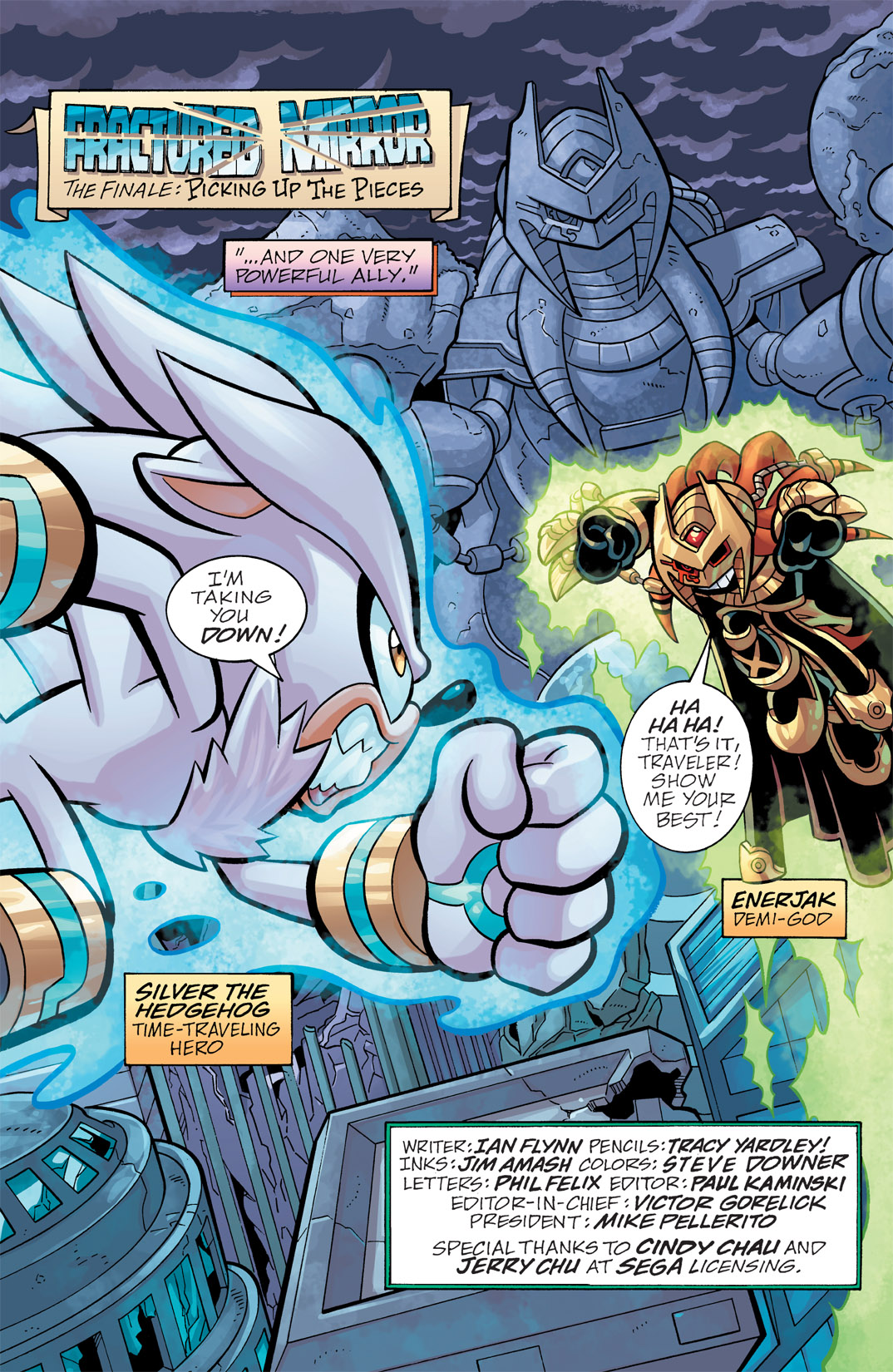
silver saga 1Several hundred years in our future, Silver the Hedgehog – eponymous hero and possibly distant relative of everyone’s favourite blue ball of buzzing Hedgehogian energy – lives in a crapsack world with a tutor who kinda looks like an old Knuckles the Echidna and a master who’s an elephant. He travels back in time to save the world from Enerjak, a demigod with superpowers who’s captured or “de-cored” (read: done what the Dementors in Harry Potter do) all of Earth’s anthropomorphic animal heroes. Silver meets with a resistance group that aims to stop Enerjak once and for all.

That’s the entire first two-thirds of the story. Seriously.

This highlights Silver Saga‘s first problem, which is brevity. The arc is over way too quickly and spends far too much of its pagecount setting things up and introducing a slew of characters who are more one-note than this song. There’s nowhere near enough time to establish any of the cast beyond their colour and a single character trait (i.e. the French one, the sword-swinging one, the big guy, etc), and a lot of their history is reliant on little asides the book makes to previous volumes that I hadn’t read.

Which brings us to the second problem with Silver Saga: continuity. Though a few plot points are outlined here and there with context, the majority are left up to those aforementioned footnotes that direct us to purchase more volumes of the comic. Now, as asilver saga 2 reader of superhero texts increasingly reliant on prior volumes it feels a little hypocritical of me to condemn Silver Saga for that. Hell, there’s enough elucidation here to at least get a rudimentary understanding of events when compared to the almost complete non-existence of same in a Grant Morrison run that you haven’t read the previous volumes of. In terms of establishing a story that is accessible to new readers, Silver Saga doesn’t hit the mark but does just enough that it’s not a complete wash in terms of comprehension.

But comprehension leads us to the third problem with Silver Saga: the title. This is not a “saga” the way, well, Saga is. It’s more like the end of an Avengers movie but with none of the characters properly established, duking it out in a city that gets almost as wrecked as Metropolis once Superman’s done with it. As I said, the story’s over way too quickly once the actual plot gets set up, and it feels like nothing’s terribly achieved once all’s said and done. Maybe an extra few issues would’ve helped? Or possibly some story beats that didn’t rely on exposition from characters we don’t know telling us things we’re never shown?

On that note, the fourth problem is dialogue. It’s tepid. Actually, no, tepid is when someone like silver saga 4Cullen Bunn gets involved. This dialogue, written by scribe Ian Flynn, was boring. Tying into the “no characters are rounded” issue, the speechifying in Silver Saga either comes across as forced or overly-simple. Silver drops the occasional quip the same way Sonic apparently does in some of the latter-day 3D games, and that’s really his only character trait besides his ability to travel through time and look like a polar bear. The members of the resistance have jokes for their respective one-note sandwich boards (for instance, the French one counts in French – how funny is that, guys?!). Enerjak is a hammy, overly-talkative antagonist who doesn’t do much besides tell everyone how screwed they are. I’d say maybe it was intended for kids, but considering what little narrative there is visits some fairly dark places for a Sonic story, I can’t exactly back that claim up.

And finally, speaking of dark places, the fifth problem is artwork. Tracy Yardley has these big, cartoonish splash pages all over the place, and that works well for the kind of aesthetic Sonic stories traditionally utilise (going mostly by the games, here). In dialogue moments, that’s fine. In battle scenes, it becomes a miasma of colour. Things are hard to distinguish or interpret without characters overtly bleating about what’s going on in a way that makes Chris Claremont’s X-Men dialogue, which describes battles as they occur on-page in excruciating detail, seem conservative by comparison. Add to that a selection of villains clearly modelled off well-known Sonic characters but recoloured as having lived in the TRON universe, and you’ve got a whole lot of colour and not a whole lot of meaning or weight behind it. If nothing else it’s certainly eye-catching, but in the same way an upturned dinner dish on your carpet catches the eye.

Look, it’s clear Sonic stories are not really my bag, and Silver Saga did not ingratiate me towards the property. It’s quite possible everything I’ve just mentioned as negative above is exactly what Sonic readers are after, and that the charming simplicity peppered with colour and quippiness is just what they’re looking for when they purchase a volume. As I said at the start of this review, it’s important for critics to branch out from the familiar a little now and then, and while this wasn’t the kind of “Where have you been all my life?!” reaction that I got from checking out weird things like 20th Century Boys and Chew, it was still a worthwhile exercise. I mean, I used to think Captain America and Superman were terrible, and that turned out to be a gross oversimplification. Turns out they’re only bad some of the time.

I dunno. If you’ve got Sonic comics you think are the bomb that are great titles for newbies, let me know. Otherwise, something tells me I won’t be back for The Silver Saga 2: Silver Fights Hitler anytime soon.


silver saga cover

PUBLISHER: ARCHIE COMICS

STORY: 2/5

ARTWORK: 2/5

DIALOGUE: 1.5/5

OVERALL: 5.5/15

“BEST” QUOTE: “Are you going to explain yourself, or do I have to rock your world some more?” – Silver

*facepalm*

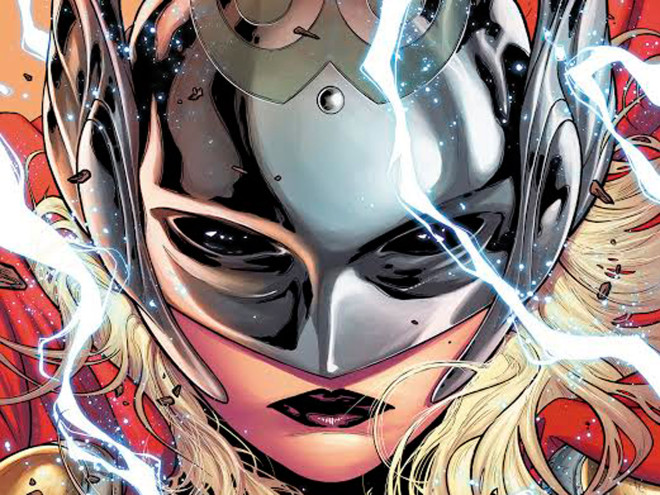
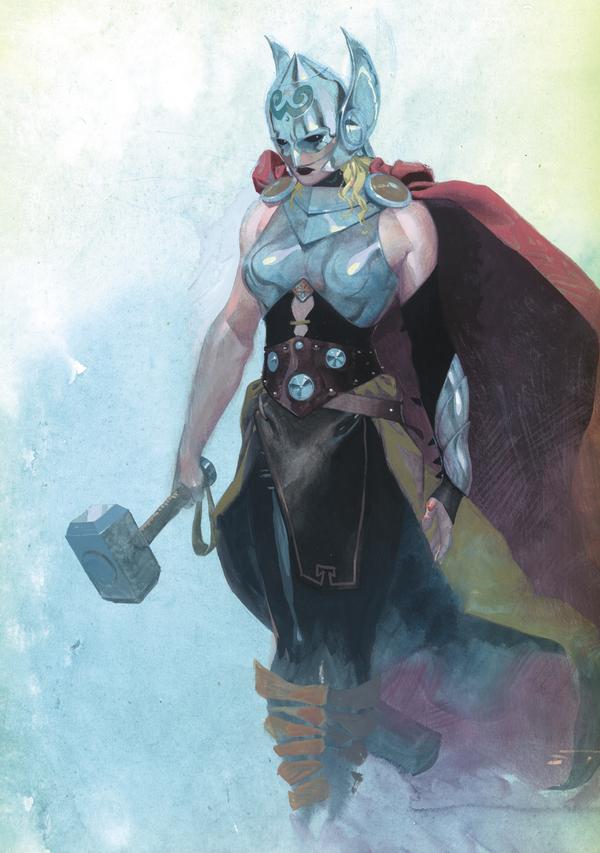
Whosoever Holds This Hammer, If She Be Worthy

Thor’s a woman now.

FemaleThor-660x495

I’d like to cut some of you off at the pass right now, coming out with negative comments regarding such a headline. I’ll avoid many comments regarding the need for a greater presence of strong female characters in cape-comics, coz that’s an issue that needs way more than what this cursory post addresses. Rest assured, that is definitely an ongoing discussion worth having, and this news does tie into it.

For now, this is to quell any knee-jerk reactions to today’s little tidbit. Let’s get straight in there.


This has been done before

First and foremost, this ain’t the first time an Asgardian has been of another gender in recent memory. Let’s not forget Loki – y’know, that guy played by Tom Hiddleston that most of tumblr’s fanbase seems to think is the hottest thing since Texan steak sauce – was once a lady, and indeed remained as such for much of J. Michael Straczynski’s awesome Thor run. Yes, we should all admit that gave us the weirdest boners at the time.

Asgardian physiology and mythos is liquid enough that a character switching genders is not outside reality, narrative-wise. And hell, sometimes they can be prettier in the opposite. I mean, hell, doesn’t the idea of a statuesque blonde throwing a hammer around just sound hot?


This does not seem like a token effort

BsmM8A6CUAAJYHJOne thing the above Loki example was not, was token. Without getting into spoilers, the hop from balls to boobs had severe story ramifications and actually served a purpose rather than just acting as an attempt to mollify fans with a greater female presence. Something Straczynski is exceptionally good at is including story elements with reason, not just as a throwaway plot point used for shock value or différance.

By the sound of it, and from having read the earlier volumes of Jason Aaron’s run on Thor: God of Thunder, this does not sound like a play for points either. Aaron’s established himself as a credible, engaging and thoughtful writer with structure rather than shock value forming the basis for his narrative. I’d trust this development in his hands, not least of all because those earlier volumes are awesome. Plus, he has a habit of employing some fantastic artists, so it’ll look damn pretty into the bargain.

I know the level of weight and exposure Marvel are giving this plays it off a bit as a publicity stunt, and if it were almost any other author I’d agree with you. Aaron strikes me as the kinda guy not to include something for the sake of just including it, and I’m interested to see what he does with it.


This is not the craziest thing to happen

Thor was once a frog. He was also a horse guy. He was also dead. He was also another guy called Tartarus.

Let’s be honest, like the article at the top of this page is – this ain’t the weirdest thing to happen to Thor, or any superhero for that matter. If Batman can shoot a god and get sent back in time, if the Avengers can fight the Justice League in another universe, and if Scott Lobdell can continue acquiring writing work, then bloody anything is possible.


SUWAS

I’ve decided this is my new acronym for:

Shut Up, Wait And See

It applies to Batffleck, the upcoming Guardians of the Galaxy film, and anything to do with Mass Effect 4Batman vs. Superman or the excision of the Fantastic Four from Marvel’s repertoire.

The issues haven’t even come out yet. Let’s hold off on the judging until the damn thing gets released, shall we?

I’d like to refer to my twin go-to examples for SUWAS – remember Ledger and Hathaway in Nolan’s Bat-films? Remember how we thought they’d suck? Remember how they did the exact opposite of that?

Yeah.

And, if all else fails…


This change won’t be around forever

Comic book continuity is so fluid it practically comes with its own margarita shaker. Almost nothing introduced in most cape comics is held onto once the author who gave it birth moves on to greener pastures. Just look at the mess Robert Venditti’s making in ripping up the Green Lantern carpet that Geoff Johns spent so much time laying down.

So if it does turn out that Thor with estrogen was a bad idea, it won’t last long. Hell, even if the reception ends up positive I only give it less than a year to stick before it gets retconned when Avengers: Age of Ultron hits screens. As Jonathan Hickman is keen on reminding us in his New Avengers run, “Everything Dies” – including gender-swaps.


With all that in mind, let’s SUWAS and come back here after October to talk about it. Until then, try keeping the expletives hurled at Marvel for ruining your favourite embodiment of hammer-tossing testosterone to a bare minimum. Or not at all. Whatever works.

Velvet: Before the Living End

You know the old adage, “When God closes a door, he opens a window”? I feel a similar one right now: when Ed Brubaker ends a Fatale, he starts up a Velvet.

I’d almost go so far as to say Brubaker’s work at Image far outstrips his impressive Marvel repertoire, which includes the definitive take on Captain America in the whole Winter Soldier/Death of Cap plotline that recently made a bajillion-and-one dollars at the box office as a kickass movie. That is one tough-ass act to follow, but it’s a feat Brubaker’s managed to undertake. That’s like George R.R. Martin finishing Game of Thrones and following it up with a series of kids’ books about a flying dinosaur, and having the latter make the former look poor in comparison. (and now I really want Martin to write a series of kids’ books about a flying dinosaur, because it would be awesome)

So as Fatale begins winding down, let’s look at something completely different with Velvet. It’s about a strong-willed black-haired woman with a dark and troubled past who’s something of a mankiller for almost every male she engages in a relationship with. Also her past is connected to some present-day shenanigans involving a dense, labyrinthine conspiracy and a whole lot of sex.

Ok, maybe not completely different to Fatale, then.

velvet 1

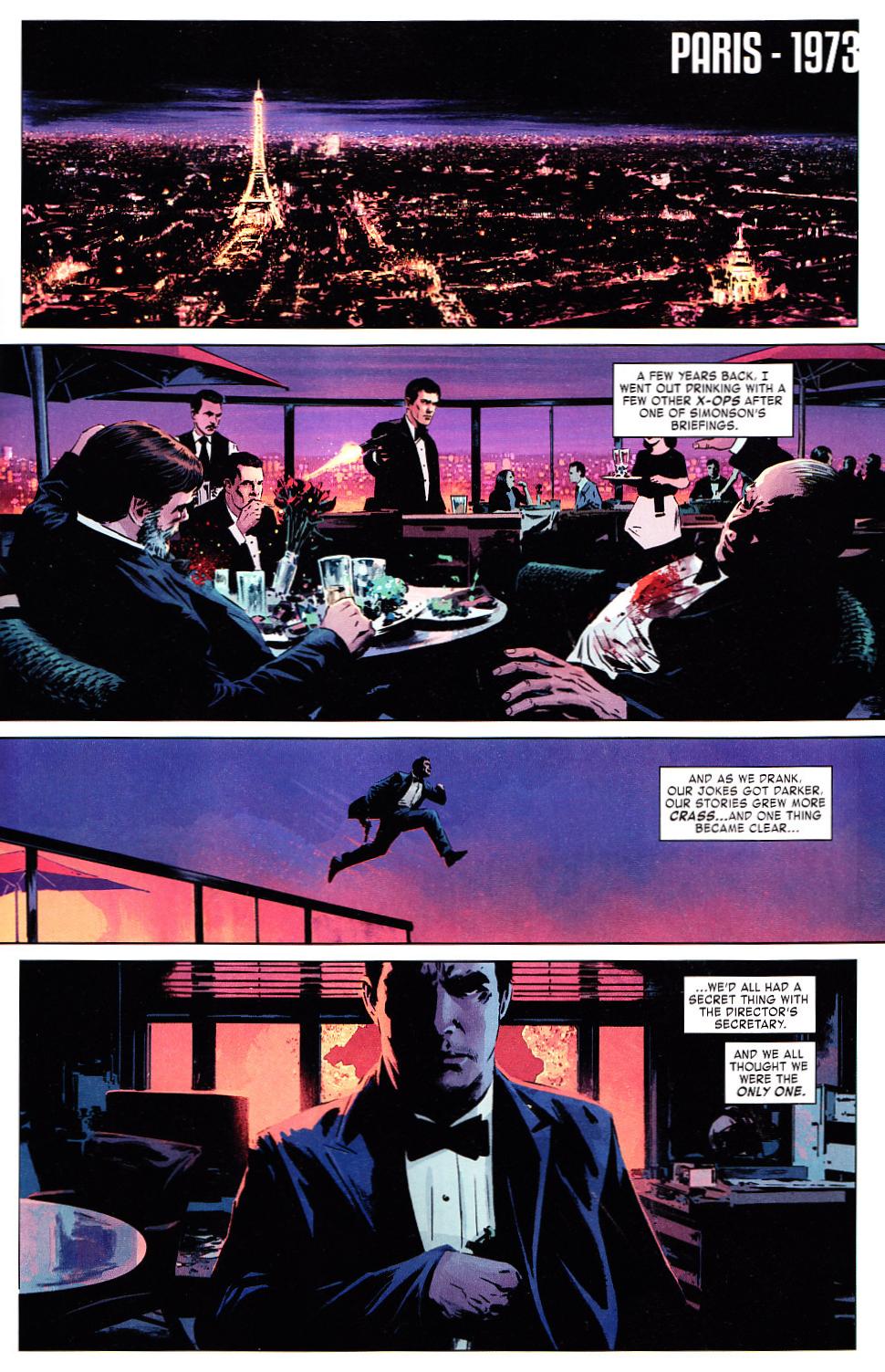
Velvet Templeton, title character of the piece, is a milquetoast secretary at a secret agency that saves the world a lot. When one of her former conquests, a secret agent man who makes James Bond look like a boy scout, ends up dead, it starts a chain of events that blows the lid on Velvet’s hidden past as a secret agent who herself makes Black Widow look like a girl scout (sorry, I couldn’t think of a different reference point). Also there’s a lot of martial artistry, several dead bodies and multiple cigarettes; as in, multiple cigarettes appear in the story, not necessarily just with the dead bodies.
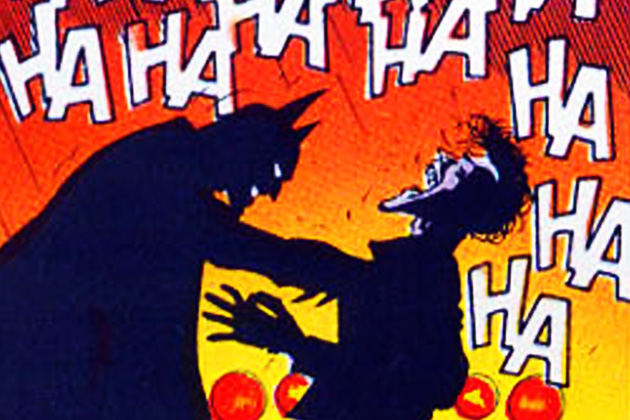
Before I get into the two things I didn’t like about Velvet, let me state unequivocally that it is definitely worth your time. It’s a tight, well-plotted, action-packed and gorgeously rendered story that has all the hallmarks of being another Brubaker classic in the vein of Incognito or Criminal, and I’m definitely keen to see where it goes next. What waters my enthusiasm at the outset is that, essentially, Velvet is a supernaturally-bereft retelling of Fatale.

velvet 2What do I mean by that? Just look at the third paragraph of this review; Velvet is, for all intents and purposes, as stolid, beautiful and lethal to unwary male folk as Josephine and her cavalcade of man-cadavers. She’s a woman in a setting where women aren’t generally respected, has a dark and troubled past that comes back to bite her despite several attempts to evade it, has hidden abilities we learn later are connected to said past, and is ambiguously an anti-hero at best. For extra points, she even has black hair, and no, the white streak she ripped off from Rogue of the X-Men doesn’t entirely help to distinguish her.

Differences between the two books are subtle, largely stemming from a distinct lack of the Lovecraft-inspired mythology that frames Fatale. In contrast, Velvet firmly roots itself in a Roger Moore-era James Bond feel with the darker, brutal execution of the Daniel Craig movies. Granted, both women also note the easiness with which sex can be used to corrupt and manipulate men, but through separate influences; Josephine seemed to be unwilling to, whilst Velvet has no scruples about screwing.

Since Velvet feels quite similar to Fatale, that also means I don’t really care about Velvet as a protagonist. I was always far more interested in Josephine’s lovers and those around her than Josephine herself, with the bulk of Fatale‘s appeal being the unaware victims caught in her influential net. Here I find myself less engaged with Velvet’s struggle to clear her name and root out the conspiracy about her than I am with her erstwhile partner Burke, or the European lady married to an asshat General, or even Velvet’s bosses as they plan her capture. Velvet herself is something of a cipher with flickers of personality; so far, all I’ve seen her do is kick a lot of ass and bemoan her current fate as Public Enemy #1. Also granted, her character receives a bit of life during the book’s closing chapter when a somewhat-significant twist is revealed, but even then it’s hard to feel as much impact as Brubaker clearly wants the reader to experience.

velvet 3

I get that it’s hard to write anti-heroes with personality when those characters are tough, hardened badasses, and while it’s relatively easy to pull off those protagonists on screen (with examples like Breaking Bad and the aforementioned James Bond coming to mind) it’s a bit harder in a literary work that relies on directly getting into the character’s head and feeling some kind of empathy, if not sympathy. All I see in Velvet’s head is tactical application, thoughts on how to kill a man quickly, bemoanings of how annoying life has suddenly become now men with larger guns are trying to kill her. There’s not so much a character as there is a lens for the plot, and that’s something Velvet needs to address in future if it hopes to pull off ending twists again with any kind of lasting impact.
But despite all that, I did say the book is good. The plot itself is tightly written and moves at a swift pace, but not so fast that it gets disorienting. Artist Steve Epting, longtime collaborator with Brubaker on quite a bit of his Captain America run, is in exceptional velvet 4form, using a dark, grimy palette that fits the setting marvelously but is still pop-off-the-page engaging. I do think Velvet’s face occasionally takes on an overtly-masculine quality (especially on the front cover, where I did initially mistake her for a cross-dresser – come on, just look at that jaw!) but overall it looks fantastic.

Dialogue is Brubaker-standard, which is the same as Morrison-standard, Hickman-standard and Whedon-standard in that it’s exceptional for the author who’s writing it. It’s clipped in places for short, sharp conversations, with quips used brevitously and character being conveyed excellently. As I said above, I really like Velvet’s companion Burke; just give me all the gritty, grizzled, chain-smoking British killers in a story and that’ll make me happy, it seems.

While I can definitely recommend Velvet to discerning Image readers, it comes with the kind of asterisk I apply to works like Lazarus and East of West: the greater successes or failures will be determined by the way going forward. It’s not awful by any stretch, but it definitely has concerns it needs to address in subsequent volumes to get the desired reaction. While I am all for having strong, kickass female leads in my comics, it helps if I can see them as a person rather than a killer of men in a nice dress.


velvet cover

PUBLISHER: IMAGE COMICS

STORY: 3.5/5

ARTWORK: 4.5/5

DIALOGUE: 4/5

OVERALL: 12/15

BEST QUOTE: “I came to a few seconds after the crash, and she was the first thing I saw… your Miss Templeton. And maybe it’s just my damaged ego talking…but it actually seemed like she was enjoying herself.” – Sgt. Roberts